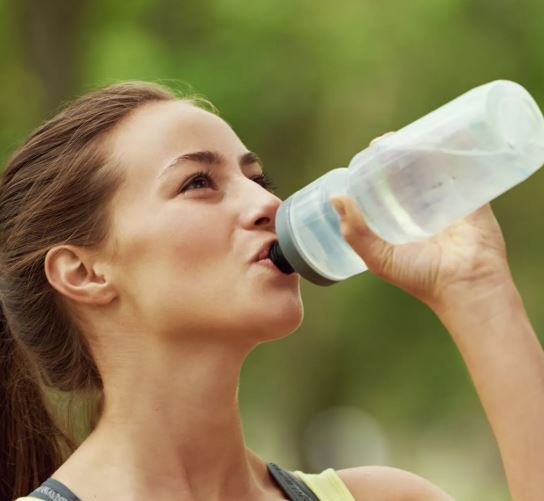
Gut health has become one of the most talked-about topics in modern wellness, and for good reason. Researchers continue to discover how the digestive system influences many aspects of everyday health, from nutrient absorption and energy levels to immune function and overall well-being. While people often focus on healthy foods, probiotics, and exercise when discussing gut health, one essential factor is sometimes overlooked: hydration.
Water plays a critical role in supporting the body’s natural processes, including those that take place within the digestive system. Staying properly hydrated is a simple yet powerful habit that can contribute to daily wellness and help support a healthy gut environment. Across the United States, more people are recognizing the importance of hydration as part of a balanced lifestyle.
Understanding the connection between hydration and gut health can help individuals make informed choices that support long-term wellness.
What Is Gut Health?
Gut health refers to the balance and proper functioning of the digestive system. This includes the stomach, intestines, and the diverse community of microorganisms that naturally live in the digestive tract. These microorganisms, often called the gut microbiome, help break down food, assist with nutrient absorption, and support several important bodily functions.
A healthy digestive system allows the body to process food efficiently while maintaining a comfortable digestive experience. Good gut health is often associated with regular digestion, balanced eating habits, and an active lifestyle.
Although many factors influence gut health, hydration remains one of the most fundamental and accessible wellness practices.
The Importance of Water in the Body
Water is involved in nearly every major function of the human body. It helps regulate body temperature, transports nutrients, supports circulation, and assists in removing waste products.
The digestive system relies heavily on water to perform its daily tasks. From the moment food enters the mouth until nutrients are absorbed and waste is eliminated, hydration supports multiple stages of digestion.
Without adequate fluid intake, the body may have difficulty maintaining optimal digestive efficiency. This is one reason why health professionals often encourage individuals to make hydration a regular part of their daily routine.
How Hydration Supports Digestion
One of the primary ways hydration benefits gut health is by supporting the digestive process itself.
Water helps break down food into smaller particles, making it easier for the body to absorb nutrients. Digestive fluids, many of which contain water, play a vital role in processing meals and moving nutrients throughout the body.
Proper hydration also helps food travel smoothly through the digestive tract. When the body has enough fluids, digestion can proceed more comfortably and efficiently.
Individuals who consistently drink enough water often find it easier to maintain healthy digestive habits as part of their overall wellness routine.
Hydration and Nutrient Absorption
The foods people eat contain vitamins, minerals, and other beneficial compounds that contribute to health. However, consuming nutritious foods is only part of the equation. The body must also absorb those nutrients effectively.
Water helps facilitate nutrient transport throughout the digestive system. Once nutrients are extracted from food, they travel through the bloodstream to various parts of the body. Adequate hydration supports this transportation process.
Whether someone follows a Mediterranean-inspired eating plan, a plant-focused diet, or a balanced traditional American diet, staying hydrated can help the body utilize nutrients more efficiently.
Supporting a Healthy Gut Environment
The gut microbiome thrives in an environment that supports normal digestive function. While nutrition plays a major role in maintaining microbial balance, hydration contributes to creating favorable conditions within the digestive tract.
Water helps maintain the lining of the intestines and supports the natural movement of materials through the digestive system. These processes can contribute to a healthy digestive environment where beneficial microorganisms can perform their natural functions.
Researchers continue to explore the relationship between hydration and the microbiome, highlighting the importance of simple lifestyle habits in supporting overall wellness.
The Connection Between Hydration and Daily Energy
Many people associate hydration with physical performance, but its benefits extend beyond exercise.
When the body is properly hydrated, everyday activities may feel more manageable. Water supports circulation, helps transport oxygen and nutrients, and contributes to normal bodily functions throughout the day.
Because digestion and nutrient absorption are closely connected to energy production, hydration indirectly supports the body’s ability to convert food into usable energy.
For busy professionals, students, parents, and active individuals, maintaining hydration can be an important component of a healthy daily routine.
Hydration and Active Lifestyles
Across the United States, walking, cycling, fitness classes, and outdoor recreation remain popular wellness activities. Physical movement can support digestive health, but activity also increases the body’s need for fluids.
Sweating during exercise leads to water loss, making it important to replenish fluids throughout the day. Consistent hydration helps support physical activity while also benefiting digestive function.
Combining regular movement with adequate water intake creates a strong foundation for overall wellness and healthy lifestyle habits.
Simple Ways to Stay Hydrated
Building healthy hydration habits does not have to be complicated. Small daily actions can make a meaningful difference over time.
Many people find success by starting their morning with a glass of water before breakfast. Carrying a reusable water bottle throughout the day can also serve as a helpful reminder to drink fluids regularly.
Consuming water-rich foods such as cucumbers, watermelon, oranges, strawberries, lettuce, and celery can contribute to overall fluid intake. Herbal teas and other low-sugar beverages may also help support hydration goals.
Listening to the body’s natural thirst signals and maintaining consistent fluid intake throughout the day can help individuals develop sustainable habits that support long-term wellness.
Common Factors That Affect Hydration Needs
Hydration requirements vary from person to person. Factors such as age, physical activity level, climate, and daily routine can all influence how much water an individual may need.
People living in warmer regions or participating in frequent physical activity may require additional fluids to replace water lost through perspiration. Seasonal changes can also impact hydration habits, making year-round awareness important.
Rather than focusing on a single number, many wellness experts encourage individuals to pay attention to their body’s needs and maintain regular hydration throughout the day.
Building a Wellness Routine Around Hydration
Healthy living is often the result of consistent habits rather than dramatic changes. Drinking enough water is one of the simplest wellness practices available, yet it supports numerous systems throughout the body.
When combined with balanced nutrition, regular physical activity, quality sleep, and stress management, hydration becomes part of a comprehensive approach to health.
Individuals seeking to improve gut health may benefit from viewing hydration as a daily priority rather than an occasional consideration. Even small improvements in water intake can help reinforce other healthy lifestyle choices.
Conclusion
Gut health plays an important role in overall wellness, and hydration is one of its most valuable yet often underestimated supporters. Water assists with digestion, nutrient absorption, and maintaining a healthy digestive environment. It also contributes to energy levels, physical activity, and the body’s ability to function efficiently each day.
As awareness of gut health continues to grow across the United States, hydration remains a simple, accessible habit that can support long-term wellness goals. By making water a regular part of daily life, individuals can take a practical step toward supporting their digestive health and enhancing their overall quality of life.