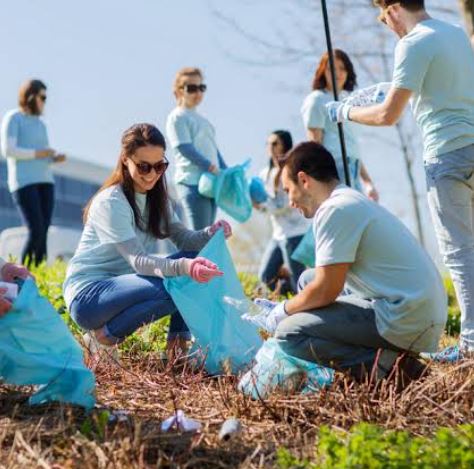
Gut health has become an important part of conversations about wellness in the United States. While many people focus on personal habits such as eating nutritious foods and staying active, the role of the community is often overlooked. Healthy communities can have a powerful influence on the choices people make every day. From access to fresh foods to opportunities for social connection, supportive environments can encourage healthier lifestyles that benefit both physical and emotional well-being.
Understanding the connection between gut health and community wellness can help people recognize that good health is not only an individual responsibility. The places where people live, work, learn, and socialize can shape habits that contribute to a healthier and more balanced life.
What Is Gut Health?
The digestive system is home to trillions of microorganisms that work together in a complex ecosystem often referred to as the gut microbiome. These microorganisms help the body process food, absorb nutrients, and support normal bodily functions. Maintaining balance within this system is an important part of overall wellness.
Researchers continue to explore the relationship between gut health and various aspects of daily life. Factors such as diet, physical activity, sleep quality, stress management, and social interactions may all influence the digestive system. Because these factors are often shaped by community environments, healthy communities can play a meaningful role in supporting better gut health.
The Importance of Access to Nutritious Foods
One of the most visible ways communities encourage healthier living is by increasing access to nutritious foods. Farmers markets, community gardens, local grocery stores, and educational programs can help residents make informed food choices.
Fresh fruits, vegetables, legumes, whole grains, nuts, and seeds are commonly associated with healthy eating patterns. These foods provide dietary fiber that supports normal digestion and helps nourish beneficial microorganisms in the gut.
Communities that promote access to a variety of wholesome foods make it easier for families to build balanced meals. When healthy options are available and affordable, people are more likely to develop eating habits that support long-term wellness.
In many American cities, local organizations have introduced programs that connect neighborhoods with fresh produce. These efforts not only improve food access but also strengthen community engagement and awareness around healthy living.
Community Gardens Create Positive Connections
Community gardens have become increasingly popular across the United States. These shared spaces allow residents to grow vegetables, herbs, and fruits while learning more about nutrition and sustainable living.
Gardening encourages physical movement, outdoor activity, and social interaction. It also provides opportunities for individuals of different ages and backgrounds to work together toward a common goal.
Many participants report that gardening helps them feel more connected to their community. This sense of belonging can contribute to reduced everyday stress, which is important because stress may influence digestive comfort and overall well-being.
In addition, people who grow their own produce often become more interested in preparing fresh meals at home. This increased awareness of nutrition can support healthier lifestyle choices over time.
Encouraging Physical Activity Through Community Design
Healthy communities often prioritize safe and accessible spaces for physical activity. Parks, walking trails, bike paths, recreation centers, and public green spaces provide opportunities for residents to stay active throughout the year.
Regular movement supports many aspects of wellness, including digestive health. Walking, cycling, and other forms of moderate exercise can become enjoyable daily habits when communities provide welcoming environments.
Neighborhoods designed with sidewalks, outdoor gathering areas, and recreational facilities encourage people to spend more time outside. These features promote social interaction while making physical activity a natural part of everyday life.
Communities that invest in active living infrastructure help create environments where healthy behaviors are easier to maintain.
Social Connections Support Wellness
Humans are naturally social beings, and strong social connections are closely linked to overall well-being. Healthy communities create opportunities for people to interact through local events, volunteer activities, educational programs, and recreational gatherings.
Social support can have a positive influence on lifestyle choices. Friends, family members, neighbors, and community groups often encourage one another to adopt healthy habits and remain motivated.
Feeling connected to others may also help individuals manage daily challenges more effectively. Lower stress levels can contribute to a healthier lifestyle and support a greater sense of balance.
Community centers, libraries, wellness workshops, and neighborhood events provide valuable opportunities for meaningful engagement. These activities strengthen relationships while promoting a culture of health and well-being.
Education Encourages Healthier Choices
Knowledge plays an important role in supporting healthy behaviors. Communities that invest in wellness education help residents make informed decisions about nutrition, exercise, sleep, and self-care.
Schools, healthcare organizations, nonprofit groups, and local governments frequently offer educational programs focused on healthy living. Workshops, cooking demonstrations, and wellness events can provide practical information that individuals can apply in their daily routines.
Learning about healthy food preparation, portion balance, and mindful eating helps people develop sustainable habits. Community-based education programs often reach a broad audience and create a shared understanding of wellness goals.
When people have access to reliable health information, they are better equipped to make choices that support their long-term well-being.
Reducing Everyday Stress Through Community Support
Modern life can be busy and demanding. Healthy communities recognize the importance of creating environments that help residents manage everyday stress.
Public parks, green spaces, cultural activities, and community programs provide opportunities for relaxation and recreation. Spending time outdoors and participating in enjoyable activities can contribute to a greater sense of calm and balance.
Supportive communities also encourage kindness, inclusion, and cooperation. When people feel valued and connected, they are more likely to experience a positive outlook on life.
Many communities now offer wellness programs that focus on mindfulness, physical activity, creative expression, and social engagement. These resources can help individuals build healthy coping strategies while supporting overall wellness.
Building a Healthier Future Together
The future of wellness depends not only on individual actions but also on the strength of the communities where people live. Healthy neighborhoods create opportunities for residents to access nutritious foods, stay physically active, connect with others, and learn about positive lifestyle habits.
When communities invest in parks, gardens, educational programs, and social initiatives, they help create environments that encourage better living. These efforts benefit individuals, families, and future generations.
Understanding gut health within the larger context of community wellness highlights an important truth: health is often shaped by the environments around us. Supportive communities make healthy choices more accessible, enjoyable, and sustainable.
As more communities across the United States embrace wellness-focused initiatives, residents have greater opportunities to build healthier habits and improve their quality of life. By working together to create supportive environments, communities can inspire positive change and encourage a future where better living becomes a shared goal for everyone.