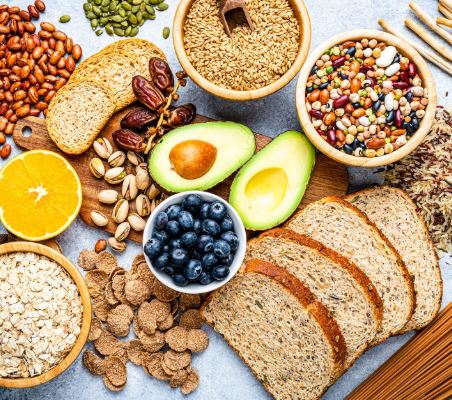
In recent years, gut health has become one of the most talked-about topics in the wellness community. Researchers continue to explore how the digestive system influences many aspects of daily life, including energy levels, concentration, mood, and overall well-being. While the digestive tract is primarily known for breaking down food and absorbing nutrients, it also plays an important role in supporting healthy body functions that affect how people feel throughout the day.
Many Americans are seeking practical ways to maintain steady energy and better focus without relying solely on caffeine or sugary snacks. One of the most effective approaches is building a diet that supports a healthy gut. By choosing nutrient-rich foods and maintaining balanced eating habits, individuals can help create an environment that supports digestive wellness and promotes sustained vitality.
What Is Gut Health?
Gut health refers to the balance and function of the digestive system, including the trillions of microorganisms that naturally live in the gastrointestinal tract. These microorganisms, often called the gut microbiome, help break down food, support nutrient absorption, and contribute to various bodily processes.
A balanced gut microbiome is often associated with efficient digestion and overall wellness. Although every person’s microbiome is unique, healthy dietary patterns can help support a diverse and thriving gut environment.
The foods consumed daily can significantly influence gut health. Nutrient-dense meals provide fuel not only for the body but also for beneficial microorganisms that help maintain digestive balance.
The Connection Between Gut Health, Energy, and Focus
Many people notice fluctuations in energy and concentration throughout the day. While factors such as sleep, exercise, and stress management are important, nutrition also plays a major role.
The digestive system helps convert food into usable energy. When the body receives a steady supply of nutrients from wholesome foods, it may be easier to maintain consistent energy levels. Balanced meals can also help avoid dramatic spikes and crashes that sometimes occur after consuming heavily processed foods high in added sugars.
Additionally, the gut and brain communicate through complex pathways often referred to as the gut-brain connection. This ongoing communication highlights the importance of digestive wellness as part of a broader healthy lifestyle.
Fiber-Rich Fruits for Daily Wellness
Fruits are among the most accessible foods that support digestive health. Many varieties contain dietary fiber, which helps support regular digestion and provides nourishment for beneficial gut microorganisms.
Apples are a popular choice because they contain both soluble and insoluble fiber. They are easy to include in breakfasts, snacks, or salads. Berries such as blueberries, raspberries, and strawberries are also rich in fiber and antioxidants, making them a nutritious addition to balanced meals.
Bananas are another convenient option. They provide carbohydrates for energy and contain fiber that can contribute to digestive wellness. Whether enjoyed on their own or blended into smoothies, bananas offer a simple way to support a healthy eating pattern.
Vegetables That Nourish the Gut
Vegetables provide vitamins, minerals, and plant compounds that contribute to overall health. Many vegetables are excellent sources of fiber, which supports digestive function and helps maintain feelings of fullness.
Leafy greens such as spinach, kale, and romaine lettuce can easily be incorporated into salads, sandwiches, and cooked dishes. Broccoli, Brussels sprouts, and cauliflower also provide valuable nutrients while contributing to dietary fiber intake.
Colorful vegetables like carrots, bell peppers, and sweet potatoes offer a variety of nutrients that help create balanced meals. Including multiple colors on the plate is a simple way to increase dietary diversity and support overall wellness.
Whole Grains for Sustained Energy
Whole grains are often recommended as part of a healthy eating plan because they provide complex carbohydrates and fiber. Unlike refined grains, whole grains retain more of their natural nutrients.
Oats are a particularly popular breakfast option. A bowl of oatmeal topped with fruit and nuts can provide lasting energy throughout the morning. Brown rice, quinoa, and whole wheat products are additional choices that fit well into balanced meals.
Because whole grains digest more gradually than highly processed carbohydrates, they may help support more stable energy levels during busy workdays and daily activities.
Yogurt and Fermented Foods
Fermented foods have gained attention due to their role in supporting digestive wellness. Foods such as yogurt, kefir, sauerkraut, and kimchi are created through fermentation processes that have been used in traditional diets for generations.
Yogurt with live and active cultures is a common choice among Americans looking to support gut health. It can be enjoyed at breakfast, as a snack, or as part of a smoothie. When selecting yogurt, many people prefer options with minimal added sugars.
Fermented foods can add variety and flavor to meals while contributing to a balanced dietary pattern that supports digestive wellness.
Nuts and Seeds for Balanced Nutrition
Nuts and seeds provide healthy fats, fiber, and plant-based nutrients that complement a gut-friendly diet. Almonds, walnuts, chia seeds, and flaxseeds are popular examples.
These foods are versatile and easy to incorporate into everyday meals. They can be sprinkled over oatmeal, mixed into yogurt, blended into smoothies, or enjoyed as snacks.
The combination of healthy fats and fiber may help support feelings of satisfaction between meals, making it easier to maintain consistent energy throughout the day.
Legumes for Digestive Support
Beans, lentils, and chickpeas are excellent additions to a wellness-focused eating plan. These legumes provide fiber, protein, and essential nutrients that support overall health.
Black beans can be added to salads, soups, and grain bowls. Lentils work well in hearty stews and vegetable dishes. Chickpeas are commonly used in salads, roasted snacks, and homemade spreads.
Regularly incorporating legumes into meals can help increase dietary fiber intake while providing a plant-based source of nutrition.
Hydration Matters Too
While food choices are important, hydration is another key component of digestive wellness. Water supports normal bodily functions and helps the digestive system operate efficiently.
Many people underestimate the impact hydration can have on daily energy levels. Drinking water consistently throughout the day can complement healthy eating habits and support overall well-being.
Carrying a reusable water bottle, choosing water with meals, and paying attention to thirst signals are simple strategies that fit easily into most lifestyles.
Building a Gut-Friendly Daily Routine
Supporting gut health does not require complicated diets or expensive products. Small, sustainable habits often have the greatest long-term impact. Choosing whole foods, eating a variety of fruits and vegetables, staying hydrated, and maintaining balanced meals can all contribute to digestive wellness.
Consistency is often more important than perfection. Gradually adding nutrient-rich foods to daily routines allows healthy habits to become easier to maintain over time.
Conclusion
Understanding gut health can help individuals make informed choices that support energy, focus, and overall wellness. A balanced diet rich in fruits, vegetables, whole grains, legumes, nuts, seeds, and fermented foods provides nutrients that contribute to digestive health and daily vitality.
As more Americans prioritize wellness, the connection between nutrition and gut health continues to gain attention. By focusing on wholesome foods and consistent healthy habits, individuals can support their digestive system while promoting steady energy and improved focus throughout the day. Healthy eating is not about strict rules or quick fixes. Instead, it is about creating enjoyable and sustainable routines that help people feel their best every day.