Taking care of your health is not only about responding when something goes wrong. It is also about taking simple, proactive steps that help you stay well and identify potential concerns early. This approach, known as preventive care, plays an important role in supporting long-term health and improving quality of life. For people across the United States, preventive care can be a practical way to build healthier habits, stay informed about personal health risks, and work with healthcare professionals before minor concerns become more complicated.
Preventive care includes a wide range of services and healthy practices. Regular checkups, recommended screenings, vaccinations, dental visits, vision exams, and discussions with healthcare providers can all be part of a preventive health routine. The exact care a person needs depends on factors such as age, family history, lifestyle, and individual health needs. By making prevention part of everyday life, people can take a more active role in protecting their health over time.
Early Detection Can Make a Difference
One of the most important benefits of preventive care is the opportunity to identify health concerns early. Some conditions may develop gradually without causing noticeable symptoms at first. A person may feel healthy while certain health measurements are beginning to change. Routine appointments and age-appropriate screenings can help healthcare professionals recognize these changes and recommend appropriate next steps.
Early awareness can give individuals more time to discuss their options with a qualified healthcare professional. Depending on the situation, this may involve lifestyle changes, additional monitoring, or treatment. Finding a concern earlier does not guarantee a particular outcome, but it can help people make informed decisions and avoid unnecessary delays in receiving care.
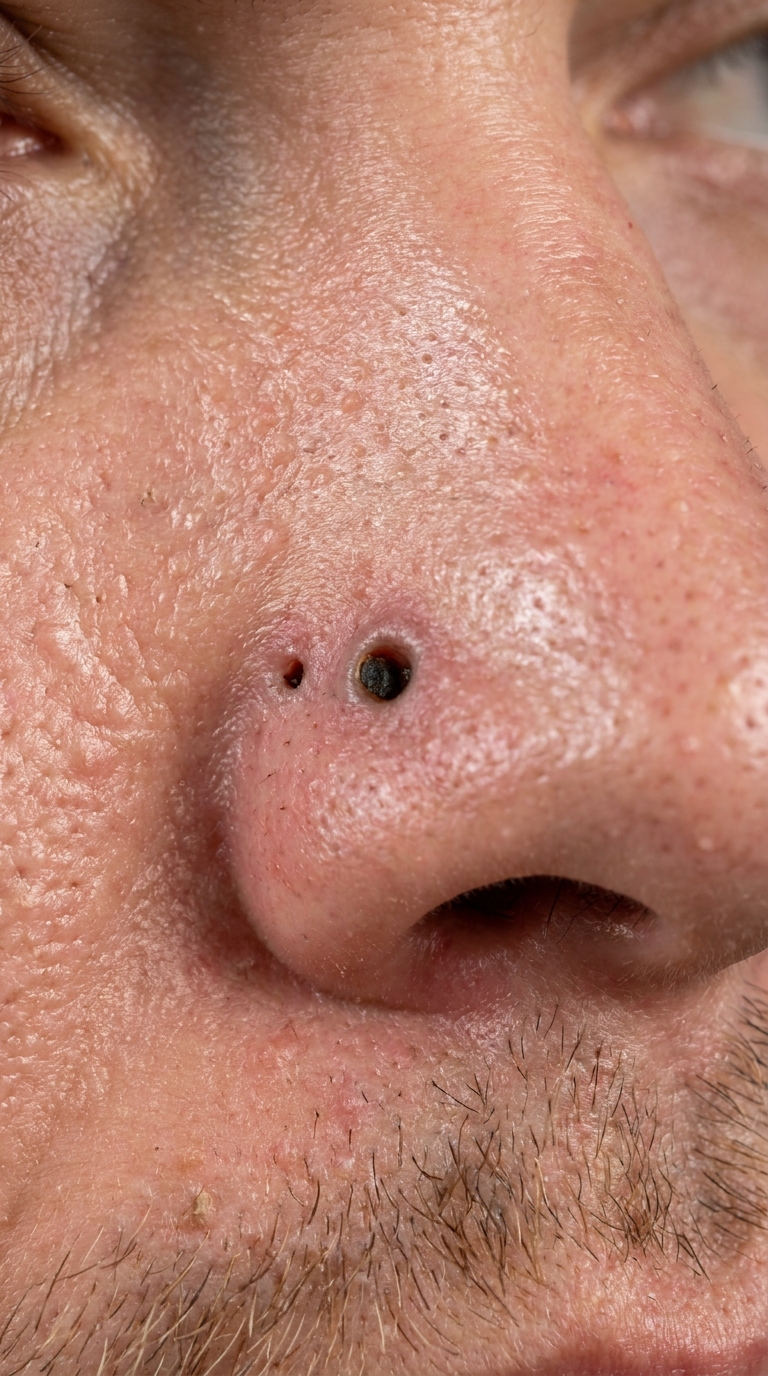
For example, routine health visits may include conversations about blood pressure, cholesterol, blood sugar, or other factors that can influence long-term wellness. Understanding these measurements can help people recognize areas where healthier daily habits may be beneficial.
Preventive Care Supports Heart Health
Heart health is an important part of long-term wellness, and prevention can play a valuable role. Many factors associated with cardiovascular health can be influenced by everyday choices and regular medical care.
Preventive visits provide an opportunity to discuss physical activity, nutrition, sleep, stress, tobacco exposure, and other lifestyle factors with a healthcare professional. Routine monitoring of blood pressure and cholesterol may also help identify potential concerns that deserve attention.
Healthy habits do not need to be extreme to be meaningful. Regular movement, balanced meals, adequate sleep, and avoiding tobacco can all contribute to a healthier lifestyle. Preventive care complements these habits by helping individuals understand their personal health needs and make decisions based on professional guidance.
Vaccinations Help Protect Communities
Vaccinations are another important part of preventive healthcare. Recommended vaccines can help protect individuals from certain infectious diseases and can also contribute to community health.
Vaccination recommendations can vary depending on age, health history, occupation, travel plans, and other factors. Because guidance may change over time, people should speak with a healthcare professional about which vaccines are appropriate for them.
Staying current with recommended vaccinations is one example of how a relatively simple preventive action can support personal and public health. It also demonstrates an important principle of prevention: small actions taken at the right time can have lasting benefits.
Screenings Encourage Health Awareness
Health screenings are designed to look for certain conditions before symptoms become obvious. The appropriate screenings vary from person to person. Age, sex, family history, personal health history, and other factors may influence which tests are recommended.
The goal of screening is not to create unnecessary worry. Instead, it is to provide useful information that can help people and their healthcare providers make informed decisions. A screening result may be normal, may suggest that additional testing is needed, or may lead to a conversation about risk factors and healthy lifestyle changes.
People should discuss recommended screenings with their healthcare providers rather than relying on general information alone. Personalized guidance can help ensure that preventive care is appropriate for an individual’s circumstances.
Dental and Vision Care Matter Too
Long-term health involves more than the heart, lungs, or other major organs. Dental and vision care are also important components of overall wellness.
Regular dental visits can help professionals monitor oral health and address concerns before they become more difficult to manage. Good oral hygiene at home, including regular brushing and flossing, also supports dental wellness.
Vision care is similarly valuable. Changes in eyesight can occur gradually, and regular eye exams may help identify vision problems or other concerns that deserve professional attention. Clear vision can also support everyday activities, learning, work, and independence.
By including dental and vision care in a broader preventive health plan, individuals can take a more complete approach to their well-being.
Prevention Encourages Healthier Daily Habits
Preventive healthcare is not limited to appointments and medical tests. It can also encourage people to think more intentionally about their everyday choices.
A routine healthcare visit may lead to a conversation about nutrition, physical activity, sleep, stress management, or other lifestyle factors. These discussions can help people set realistic goals that fit their schedules and personal circumstances.
For example, someone who spends much of the day sitting may begin adding short walks to their routine. Another person may focus on preparing more balanced meals at home or creating a more consistent sleep schedule. The most effective changes are often those that can be maintained over time.
Prevention is therefore not about pursuing perfection. It is about building sustainable habits that support health throughout different stages of life.
Family History Can Guide Preventive Decisions
Family history is another reason preventive care can be valuable. Some health conditions may be more common among certain families, and knowing this information can help healthcare professionals understand an individual’s potential risk factors.
People may not always know their complete family medical history, but even basic information can be useful. Sharing relevant family health information during medical appointments can help providers determine whether additional monitoring or earlier screening may be appropriate.
This does not mean that a family history guarantees that someone will develop a particular condition. Rather, it provides useful context that can support more personalized healthcare decisions.
Prevention Can Support Healthy Aging
As people grow older, their healthcare needs may change. Preventive care can help individuals adapt to these changes and maintain their health and independence.
Regular checkups can provide opportunities to review medications, discuss mobility and physical activity, assess changing health needs, and consider age-appropriate screenings. Healthy aging also involves maintaining social connections, staying mentally engaged, eating nourishing foods, and getting appropriate physical activity.
The goal is to support a good quality of life at every stage. Preventive care can be an important part of that process by helping people stay informed and address health concerns as they arise.
Making Preventive Care Part of Your Routine
One of the easiest ways to prioritize preventive health is to treat healthcare appointments as part of a regular routine rather than something to schedule only when feeling unwell. Keeping track of recommended checkups and screenings can make it easier to stay organized.
It can also help to prepare questions before an appointment. People may want to ask about their current health measurements, recommended screenings, vaccinations, lifestyle habits, or any changes they have noticed.
Health insurance coverage and preventive care benefits can vary, so individuals should check their plan and discuss costs or coverage questions with their insurance provider and healthcare professional when needed.
Most importantly, preventive care should be personalized. Recommendations that are appropriate for one person may not be right for another. A qualified healthcare professional can help determine which services and habits make sense based on individual needs.
A Long-Term Investment in Well-Being
Preventive care is ultimately about taking a proactive approach to health. It combines regular healthcare visits with healthy daily habits, awareness of personal risk factors, and timely attention to changes in well-being.
No approach can prevent every health problem, and preventive care cannot guarantee perfect health. However, staying engaged with healthcare and making informed lifestyle choices can help people better understand their health and take action when appropriate.
For Americans looking to support long-term wellness, prevention offers a practical starting point. Regular checkups, recommended screenings, vaccinations, dental and vision care, balanced nutrition, physical activity, quality sleep, and stress management can all contribute to a healthier lifestyle.
The most important step is often the simplest one: start where you are. A conversation with a healthcare professional, a scheduled checkup, or a small improvement in a daily routine can be the beginning of a more proactive approach to lifelong health. By making preventive care a consistent part of life, people can become more informed about their health and better prepared to make choices that support their well-being for years to come.