Cooking for longevity is less about pursuing complex diets or hard-to-find superfoods and far more about returning to the fundamental joys of real, nourishing food. Across the globe, regions famous for their concentration of healthy centenarians share a common thread: their relationship with the kitchen. Food in these communities is not treated as a source of strict rules or anxiety. Instead, everyday meals are crafted from simple, whole ingredients prepared with care, enjoyed alongside loved ones, and built upon traditions that support lifelong vitality.
Creating a longevity-focused kitchen in your own home does not require overhaul or perfection. By adjusting how you choose ingredients, apply heat, and build flavor, you can transform your daily cooking routine into a sustainable practice that nourishes both body and mind for decades to come.
Embracing Plant-Forward Foundations
At the heart of culinary longevity is a generous reliance on plant-based foods. Incorporating a wide variety of colorful vegetables, whole grains, legumes, nuts, and seeds provides the fiber, antioxidants, and micro-nutrients necessary to keep cellular systems running smoothly.
Legumes, such as lentils, chickpeas, black beans, and white beans, serve as nutritional cornerstones in long-lived populations. They deliver a powerful combination of complex carbohydrates, plant protein, and soluble fiber, which supports steady energy levels, digestive wellness, and cardiovascular health. Swapping meat for beans in a few meals each week is one of the simplest steps toward a longevity-centered kitchen.
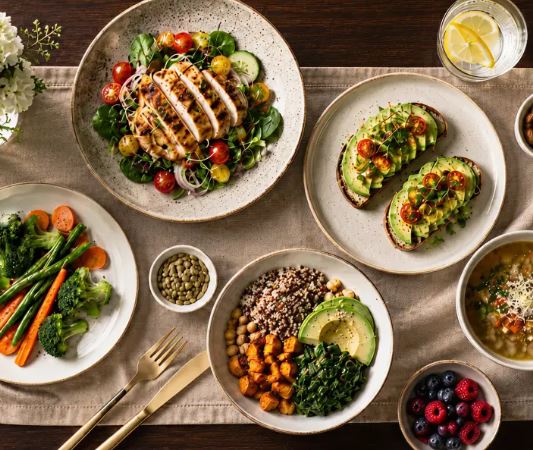
Leafy greens like kale, spinach, Swiss chard, and collard greens bring an abundance of vitamins, minerals, and protective plant compounds. Including a handful of dark greens in soups, stews, or quick skillet meals boosts the nutrient density of virtually any dish without drastically altering its flavor profile.
Healthy fats play an equally critical role. Cold-pressed extra virgin olive oil is widely celebrated for its rich polyphenol content and monounsaturated fats, which support heart health and reduce oxidative stress. Using high-quality olive oil as a primary cooking fat or finishing drizzle offers both deep flavor and long-term physiological benefits.
Mastering Gentle Heat and Cooking Methods
The way food is cooked matters just as much as the ingredients chosen. High-heat methods like deep frying, charring over open flames, or heavy searing can lead to the formation of advanced glycation end-products and other unwanted chemical byproducts that induce inflammation over time.
Adopting gentle cooking methods helps preserve delicate antioxidants and vitamins while reducing the creation of harmful compounds. Gentle simmering, light steaming, poaching, and low-temperature roasting allow ingredients to retain their vibrant natural colors, textures, and cellular integrity.
Soups, stews, and slow-braised dishes are particularly beneficial for longevity cooking. When vegetables, herbs, and grains simmer slowly in water or vegetable broth, any water-soluble vitamins that leach out during cooking remain in the broth itself, ensuring zero nutrient loss. Additionally, slow cooking breaks down tough plant fibers, making nutrients more accessible and easier for the digestive system to absorb.
When roasting vegetables, keeping the oven temperature moderate and using a light coating of stable oil prevents scorching while bringing out natural sweetness. Steaming greens for just a few minutes keeps their vivid color intact and maintains their crisp-tender texture, preserving sensitive nutrients like vitamin C and folate.
Harnessing the Power of Herbs and Spices
Flavor is essential to long-term consistency. Meals that lack flavor rarely become lasting habits, regardless of how healthy they might be. Herbs and spices bridge the gap between deep culinary satisfaction and vibrant health, allowing you to create delicious meals while naturally reducing your reliance on excess salt and refined sugars.
Turmeric, garlic, ginger, rosemary, oregano, and cinnamon are renowned for their protective properties. Turmeric contains curcumin, a potent compound best absorbed when paired with a pinch of black pepper and a source of healthy fat. Fresh garlic and ginger add immediate warmth and depth to savory dishes while delivering natural compounds that support immune function and circulatory health.
Dry spices can be lightly toasted in a pan before adding liquids to unlock their fragrant essential oils. Fresh herbs, such as parsley, cilantro, basil, and mint, are best added right before serving to preserve their bright flavor and delicate vitamins. Keeping a well-stocked spice rack ensures that simple ingredients like whole grains and roasted roots never feel monotonous.
Building Low-Stress Kitchen Rhythms
A longevity-focused approach to cooking extends beyond the plate; it encompasses the environment and rhythm of the kitchen itself. Chronic stress directly impacts digestion, metabolism, and overall health. Approaching meal preparation as a restful, intentional routine rather than a rushed chore fosters a healthier relationship with food.
Establishing simple kitchen routines can minimize decision fatigue and keep wholesome food readily available. Preparing a batch of whole grains like quinoa, farro, or brown rice at the beginning of the week creates a versatile base for quick meals. Cooking a pot of bean soup or chopping fresh vegetables in advance makes assembling a nourishing lunch or dinner effortless, even on busy weekdays.
Sourcing seasonal, locally grown produce when possible allows you to enjoy food at its peak flavor and nutritional value. Visiting local farmers markets or choosing seasonally available items at the grocery store brings variety to your plate throughout the year, ensuring a wider range of protective phytonutrients over time.
Sharing meals with family and friends adds an invaluable social dimension to longevity. Eating mindfully in good company encourages slower consumption, aids digestion, and strengthens community connections that are vital for mental and emotional well-being.
Crafting Balanced Everyday Plates
Rather than following restrictive caloric guidelines, cooking for longevity relies on intuitive plate construction. A simple approach involves filling half your plate with colorful, non-starchy vegetables, one-quarter with fiber-rich legumes or whole grains, and the remaining quarter with high-quality protein sources such as wild-caught fish, organic tofu, or pasture-raised poultry.
Finishing dishes with a splash of fresh lemon juice, a drizzle of extra virgin olive oil, or a sprinkle of toasted seeds provides a satisfying blend of acidity, rich texture, and healthy fats. This balanced structure delivers steady physical energy, prevents dramatic blood sugar spikes, and leaves you feeling genuinely nourished and satisfied.
Ultimately, cooking for longevity is an ongoing, enjoyable journey centered on wholesome choices, thoughtful techniques, and vibrant flavors. By celebrating real ingredients and creating low-stress kitchen habits, you build a sustainable foundation for lifelong vitality, one delicious meal at a time.