Everyday healthcare wellness is not about making dramatic changes overnight. It is about creating simple habits that help you take better care of your body, mind, and overall well-being throughout the year. From eating nourishing foods and staying active to getting enough sleep and keeping up with routine medical care, small decisions made consistently can contribute to a healthier and more balanced lifestyle.
For people across the United States, healthcare wellness can look different depending on age, lifestyle, work schedule, family responsibilities, and personal needs. The good news is that wellness does not require perfection. A practical approach focuses on realistic choices that can fit into everyday life and support long-term health.
Understanding Everyday Healthcare Wellness
Healthcare wellness combines preventive care, healthy lifestyle habits, and awareness of your personal health needs. Instead of waiting until a problem becomes serious, wellness encourages people to pay attention to their health regularly and take reasonable steps to support it.
Preventive healthcare can include routine checkups, recommended screenings, vaccinations, dental visits, and discussions with qualified healthcare professionals. These services can help identify potential concerns early and give individuals an opportunity to make informed decisions about their health.
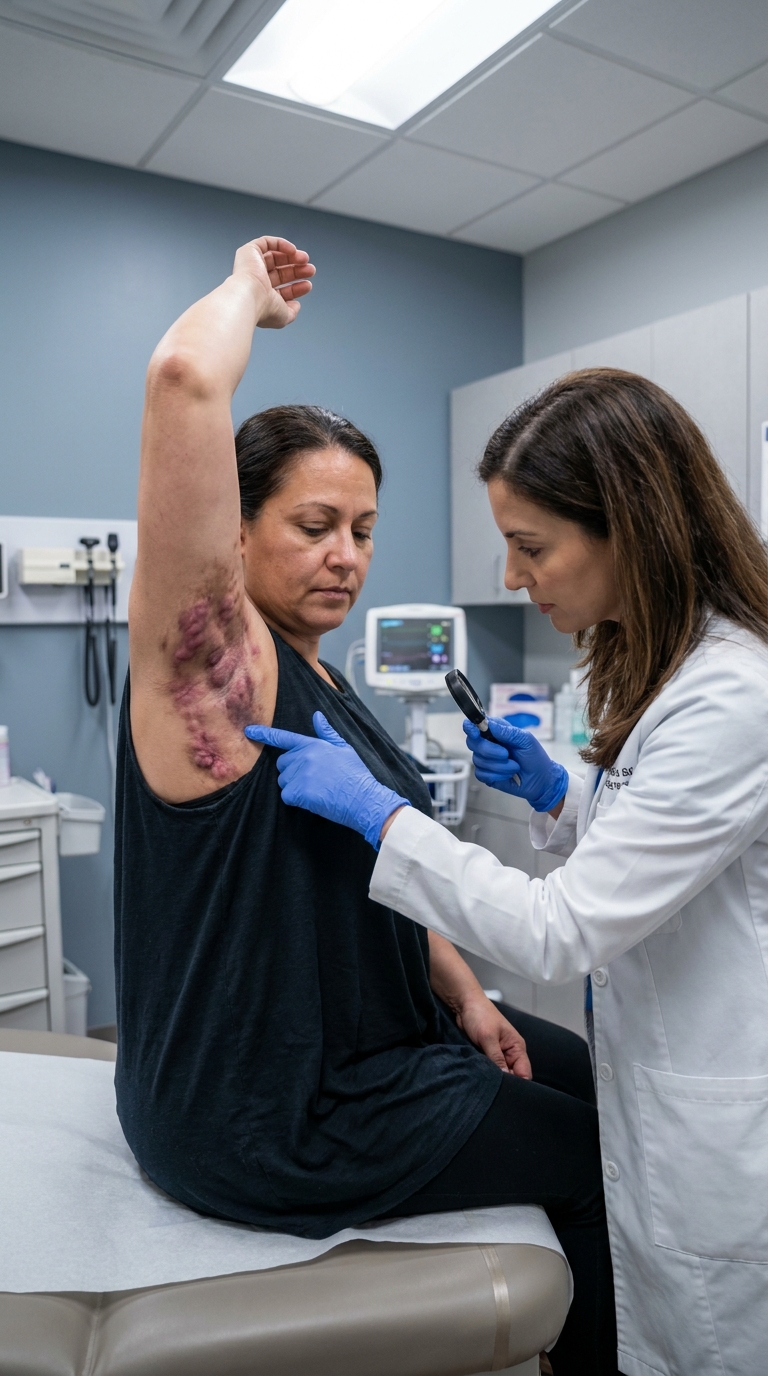
Wellness also extends beyond medical appointments. Your daily routine plays an important role in how you feel and function. Nutrition, physical activity, sleep, hydration, stress management, and social connections all contribute to a broader picture of well-being.
Building a Balanced Approach to Nutrition
Food provides the energy and nutrients your body needs every day. A balanced eating pattern can include a variety of vegetables, fruits, whole grains, beans, nuts, seeds, lean protein sources, and other nutrient-rich foods.
Rather than focusing on a single food or restrictive eating pattern, many people benefit from creating meals with variety and balance. For example, adding vegetables to lunch or dinner, choosing whole grains more often, and including a source of protein can make everyday meals more satisfying and nourishing.
Portion awareness can also be helpful. Eating slowly and paying attention to hunger and fullness signals may make it easier to recognize what your body needs. It is also perfectly reasonable to enjoy favorite foods in moderation. A sustainable approach to nutrition allows room for enjoyment while emphasizing overall balance.
For Americans with specific dietary needs or medical conditions, individual guidance from a qualified healthcare professional or registered dietitian can provide more personalized recommendations.
Making Physical Activity Part of Your Routine
Regular physical activity is an important part of everyday wellness. Exercise can support cardiovascular health, muscle strength, flexibility, balance, and overall physical function. It may also help people feel more energetic and manage everyday stress.
You do not necessarily need a complicated workout program to become more active. Walking, cycling, swimming, dancing, recreational sports, gardening, and active household tasks can all contribute to movement throughout the day.
The most useful activity is often the kind you can enjoy and maintain. Someone who dislikes a particular exercise may find it difficult to continue, while an enjoyable activity can become a natural part of a weekly routine.
If you have been inactive for a long time or have health concerns, consider discussing your plans with a healthcare professional before making significant changes to your activity level. Starting gradually can also make it easier to build confidence and consistency.
Prioritizing Quality Sleep
Sleep is an essential part of overall wellness. During sleep, the body and brain have time to rest and recover. Consistently poor sleep can affect mood, concentration, energy, and daily performance.
Creating a regular sleep schedule can help support healthier sleep habits. Going to bed and waking up at similar times each day may help establish a predictable routine. A comfortable sleep environment, a relaxing evening routine, and reducing stimulating activities before bedtime may also be beneficial.
Adults who regularly experience significant sleep difficulties may want to speak with a healthcare professional. Persistent sleep problems can sometimes be related to underlying health issues that deserve appropriate attention.
Staying Properly Hydrated
Water plays an important role in many functions throughout the body. Daily fluid needs vary depending on factors such as activity, weather, age, and individual health circumstances.
Keeping water available during the day can make hydration easier. Many people also get fluids from foods and other beverages. During hot weather or periods of increased physical activity, paying attention to thirst and fluid needs becomes particularly important.
There is no single hydration routine that works perfectly for everyone. People with certain medical conditions may have specific fluid recommendations, so personalized medical advice should take priority when applicable.
Supporting Mental and Emotional Wellness
Healthcare wellness includes mental and emotional well-being as well as physical health. Everyday responsibilities, work demands, family obligations, financial concerns, and social pressures can all contribute to stress.
Simple strategies may help people manage daily pressure. Taking short breaks, spending time outdoors, maintaining social connections, practicing relaxation techniques, and making time for enjoyable activities can provide opportunities to recharge.
Talking with a trusted friend, family member, counselor, or qualified mental health professional can also be a valuable part of wellness. Seeking support is a normal and responsible step when emotional challenges begin affecting daily life.
Keeping Up With Preventive Healthcare
Routine healthcare visits can play an important role in maintaining wellness. Depending on your age, medical history, and individual risk factors, a healthcare professional may recommend certain checkups, screenings, vaccinations, or tests.
Preventive care is not identical for everyone. Recommendations can change based on personal circumstances, family history, and current health guidelines. That is why maintaining an open conversation with a trusted healthcare provider is helpful.
It is also useful to keep track of important health information, including medications, allergies, past procedures, and family medical history. Having accurate information available can make conversations with healthcare professionals more productive.
Taking Care of Dental and Oral Health
Oral health is another important part of everyday wellness. Brushing regularly with fluoride toothpaste, cleaning between teeth, and visiting a dental professional as recommended can help maintain healthy teeth and gums.
Good oral hygiene can also make everyday activities such as eating and speaking more comfortable. If you notice persistent dental discomfort or changes in your mouth, professional evaluation can help determine the appropriate next steps.
Creating Healthier Habits at Home
Your home environment can influence your daily choices. Keeping nutritious foods accessible, making time for movement, maintaining a comfortable sleep space, and creating opportunities for relaxation can all support healthier routines.
It can also help to focus on one change at a time. Instead of trying to completely transform your lifestyle in a single week, consider choosing one manageable habit and practicing it consistently. Once it becomes more natural, you can gradually introduce another positive change.
This approach can make wellness feel less overwhelming and more achievable. Progress does not have to be perfect to be meaningful.
Building a Sustainable Wellness Routine
A successful wellness routine should fit your real life. Work schedules, family responsibilities, travel, budget, and personal preferences all matter. The goal is not to follow an unrealistic ideal but to develop habits that you can maintain over time.
For some people, that may mean taking a daily walk after work. For others, it could mean preparing more meals at home, setting a consistent bedtime, scheduling preventive appointments, or finding enjoyable ways to stay socially connected.
It is also important to recognize that health can change. A routine that works well today may need adjustments in the future. Being flexible allows you to respond to changing circumstances without feeling that you have failed.
The Importance of Listening to Your Body
Paying attention to changes in your health can help you make informed decisions. New or persistent symptoms should not automatically be ignored, especially when they interfere with normal activities or continue over time.
Reliable health information can be useful, but online resources should not replace personalized medical advice. When you have concerns about your health, speaking with a qualified healthcare professional is often the best way to understand your individual situation.
Knowing when to seek professional guidance is an important part of responsible wellness. It allows you to move beyond general information and receive advice that considers your specific needs.
Making Wellness a Long-Term Lifestyle
Everyday healthcare wellness is ultimately about consistency rather than perfection. A balanced diet, regular movement, sufficient sleep, hydration, preventive care, oral hygiene, stress management, and meaningful relationships can work together to support a healthier lifestyle.
The most effective approach is one that feels realistic and sustainable. Small actions, repeated over time, can become powerful habits. Whether you are beginning your wellness journey or simply looking for ways to improve your current routine, there is always an opportunity to make a positive change.
By focusing on practical choices and staying connected with qualified healthcare professionals, you can take a proactive approach to your well-being. Everyday wellness is not about achieving an ideal version of health. It is about giving yourself the care, attention, and support needed to live your life as fully and comfortably as possible.