The human brain is one of the most remarkable organs in the body, controlling everything from movement and memory to emotions and decision-making. While many people focus on exercise as a way to improve physical fitness or manage weight, regular physical activity also plays a powerful role in supporting brain health. Scientific research continues to show that people who stay physically active often enjoy better memory, sharper thinking, improved mood, and a lower risk of age-related cognitive decline.
Whether you are a student, a working professional, or an older adult, incorporating exercise into your daily routine can benefit your brain in meaningful ways. The best part is that you do not need to become a professional athlete. Simple, consistent activities such as walking, cycling, swimming, dancing, or strength training can make a noticeable difference over time.
The Connection Between Exercise and the Brain
Exercise affects nearly every part of the body, including the brain. During physical activity, the heart pumps more oxygen-rich blood throughout the body, delivering essential nutrients to brain cells. This increased circulation helps maintain healthy brain function while supporting the growth and repair of nerve cells.
Physical activity also stimulates the release of important chemicals called neurotransmitters. These natural substances help brain cells communicate with one another and influence learning, memory, concentration, and emotional well-being. Regular exercise also encourages the production of brain-derived neurotrophic factor (BDNF), a protein that supports the growth of new neurons and strengthens existing connections between brain cells.
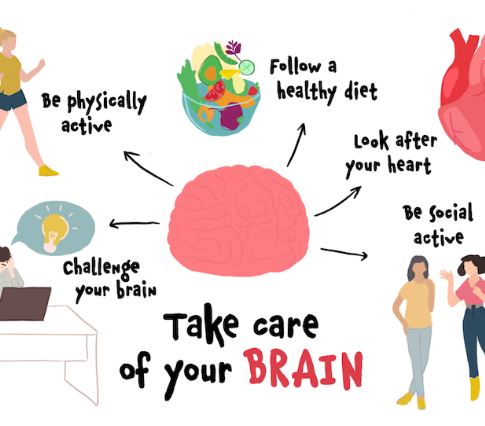
As a result, people who exercise consistently often experience improvements in cognitive performance and overall mental wellness.
Improved Memory and Learning
One of the most well-known benefits of exercise is its positive effect on memory. The hippocampus, an area of the brain responsible for learning and memory, responds particularly well to regular physical activity.
Studies suggest that aerobic exercises such as brisk walking, jogging, cycling, and swimming may increase the size and efficiency of the hippocampus. This supports the brain’s ability to store new information and recall existing memories more effectively.
Students may notice improved concentration during classes, while adults may find it easier to remember names, appointments, and important information. Older adults may also benefit from slower age-related memory decline.
Better Focus and Concentration
Modern life is filled with distractions, making it difficult to maintain focus throughout the day. Exercise helps improve attention span by increasing blood flow to areas of the brain involved in concentration and decision-making.
Even a short session of moderate physical activity can enhance mental alertness. Many people report feeling more productive after a morning walk or workout because exercise prepares the brain for learning and problem-solving.
Professionals who exercise regularly often experience improved work performance, faster information processing, and greater ability to complete complex tasks.
Exercise Helps Reduce Stress
Stress is a normal part of life, but chronic stress can negatively affect brain health over time. High stress levels increase the production of cortisol, a hormone that may interfere with memory, sleep, and emotional balance when consistently elevated.
Exercise serves as a natural stress reliever. Physical activity encourages the release of endorphins, sometimes called the body’s natural feel-good chemicals. These substances promote relaxation and help reduce feelings of anxiety and tension.
Activities like walking outdoors, yoga, swimming, or cycling can calm the mind while improving both physical and emotional health.
Supporting Mental Health
Exercise is increasingly recognized as an important part of maintaining good mental health. While it is not a replacement for professional medical treatment when needed, regular physical activity can support emotional well-being.
People who exercise consistently often experience:
Reduced symptoms of mild anxiety.
Improved mood throughout the day.
Greater self-confidence.
Better emotional resilience.
Enhanced overall quality of life.
Exercise also provides opportunities for social interaction through group classes, sports, or community walks, which may further improve emotional health and reduce feelings of isolation.
Better Sleep Improves Brain Function
Quality sleep is essential for healthy brain function. During sleep, the brain processes memories, removes waste products, and prepares for the next day.
Regular exercise helps many people fall asleep faster and enjoy deeper, more restful sleep. Better sleep supports learning, concentration, creativity, and emotional regulation.
However, very intense exercise immediately before bedtime may interfere with sleep for some individuals, so many experts recommend completing vigorous workouts earlier in the day.
Reducing the Risk of Cognitive Decline
As people grow older, maintaining brain health becomes increasingly important. Research suggests that physically active individuals may have a lower risk of developing age-related cognitive decline.
Exercise supports healthy blood vessels throughout the brain, helping reduce the risk of conditions associated with poor circulation. Regular activity may also help delay the onset of cognitive disorders by preserving brain structure and function.
Although no single habit can guarantee prevention, combining exercise with a healthy diet, adequate sleep, lifelong learning, and social engagement creates a strong foundation for healthy aging.
Aerobic Exercise and Brain Health
Aerobic exercise is among the most researched forms of physical activity for brain benefits. Activities that raise the heart rate for an extended period help improve circulation and oxygen delivery to brain tissue.
Examples include:
Walking.
Running.
Cycling.
Swimming.
Dancing.
Hiking.
Many health professionals recommend at least 150 minutes of moderate aerobic activity each week. This goal can be divided into manageable sessions that fit individual schedules.
Strength Training Benefits the Brain
Strength training is often associated with building muscles, but it also benefits brain health.
Resistance exercises such as lifting weights, using resistance bands, or performing bodyweight movements improve circulation, hormone balance, and metabolic health. Emerging research suggests that strength training may enhance executive function, attention, and memory while supporting healthy aging.
Including two or more strength-training sessions each week provides balanced health benefits for both body and mind.
Balance and Coordination Exercises
Activities that improve balance and coordination challenge the brain in unique ways. Exercises like tai chi, yoga, dancing, and certain sports require the brain to coordinate movement, maintain posture, and react quickly to changing conditions.
These activities strengthen communication between different regions of the brain while supporting flexibility, stability, and mental focus.
Older adults may particularly benefit from balance exercises because they can reduce fall risk while promoting cognitive engagement.
Exercise Encourages Brain Plasticity
One of the brain’s greatest strengths is its ability to adapt throughout life, a characteristic known as neuroplasticity.
Physical activity promotes neuroplasticity by encouraging new neural connections and strengthening existing pathways. This ability allows people to continue learning new skills, recover from certain injuries, and adapt to changing environments.
Learning a new sport, dance routine, or fitness activity combines physical movement with mental challenges, further supporting brain development.
Managing Chronic Health Conditions
Several chronic health conditions can negatively affect brain health, including high blood pressure, diabetes, obesity, and heart disease.
Regular exercise helps manage many of these conditions by improving cardiovascular health, regulating blood sugar, reducing excess body fat, and lowering blood pressure. Since healthy blood vessels are essential for brain function, managing these risk factors indirectly supports long-term cognitive health.
Maintaining a healthy lifestyle benefits both the brain and the entire body.
Exercise Across Different Stages of Life
Brain health benefits from physical activity at every age.
Children develop stronger attention, learning abilities, and emotional regulation through active play and sports.
Teenagers often experience improved academic performance and reduced stress with regular exercise.
Adults benefit from better productivity, memory, and emotional balance while managing work and family responsibilities.
Older adults can maintain independence, mobility, and cognitive function by remaining physically active throughout retirement.
It is never too early or too late to begin exercising for brain health.
Tips for Building an Exercise Routine
Creating a consistent exercise habit does not require expensive equipment or gym memberships. Small, realistic steps often lead to long-term success.
Start with activities you genuinely enjoy. Walking through your neighborhood, riding a bicycle, gardening, or dancing at home all contribute to an active lifestyle.
Set achievable goals rather than aiming for perfection. Even ten to fifteen minutes of activity each day can build momentum toward healthier habits.
Mix different types of exercise to keep routines interesting while supporting strength, endurance, flexibility, and balance.
Invite friends or family members to join you. Social support often makes exercise more enjoyable and helps maintain motivation.
Listen to your body and gradually increase intensity over time. Individuals with medical conditions should consult a qualified healthcare professional before beginning a new exercise program.
Combining Exercise with Other Healthy Habits
Exercise works best when combined with other healthy lifestyle choices. Eating a balanced diet rich in fruits, vegetables, whole grains, lean proteins, and healthy fats provides nutrients that support brain function.
Staying hydrated helps maintain concentration and cognitive performance. Managing stress through relaxation techniques, maintaining social connections, and challenging the brain with reading, puzzles, or learning new skills also contribute to lifelong cognitive wellness.
Together, these healthy habits create a strong foundation for both physical and mental well-being.
Conclusion
Exercise is one of the most effective and accessible ways to support brain health throughout life. From improving memory and concentration to reducing stress and promoting emotional well-being, regular physical activity offers benefits that extend far beyond physical fitness. It enhances blood flow, encourages the growth of healthy brain cells, supports better sleep, and may reduce the risk of cognitive decline as people age.
The encouraging news is that meaningful improvements do not require extreme workouts or complicated fitness programs. Consistent movement through walking, cycling, swimming, strength training, dancing, or other enjoyable activities can help keep the brain active, resilient, and healthy. By making exercise a regular part of daily life, individuals can invest in sharper thinking, better emotional balance, and improved quality of life for years to come.