Healthy meal planning is one of the easiest ways to build better eating habits without making life feel complicated. For many people across the United States, busy work schedules, school activities, family commitments, and long commutes can make healthy eating seem difficult. However, with a little preparation and a practical approach, meal planning can save time, reduce stress, lower grocery costs, and make nutritious choices much easier every day.
The good news is that healthy meal planning does not require expensive ingredients, complicated recipes, or hours in the kitchen. It is simply about making thoughtful choices before hunger strikes. By planning meals ahead of time, families and individuals can enjoy balanced nutrition while avoiding the temptation of fast food or highly processed convenience meals.
This guide explains how to make healthy meal planning simple, practical, and sustainable for American households.
What Is Healthy Meal Planning?
Meal planning is the process of deciding what you will eat before the week begins. Instead of wondering what to cook each evening, you create a plan that includes breakfast, lunch, dinner, and snacks.
Healthy meal planning focuses on including a variety of nutritious foods that provide essential vitamins, minerals, protein, healthy fats, fiber, and complex carbohydrates. The goal is not perfection but consistency. Small improvements made over time often lead to lasting healthy habits.
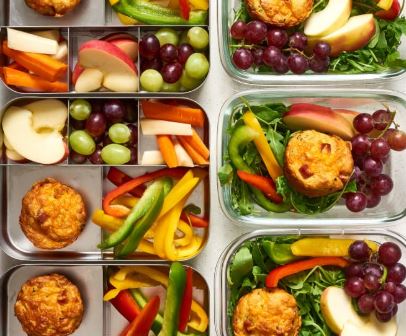
Many people discover that once meal planning becomes part of their weekly routine, grocery shopping becomes faster, food waste decreases, and preparing meals feels far less stressful.
Why Meal Planning Matters
Planning meals ahead offers several advantages beyond nutrition.
One major benefit is better time management. When meals are already planned, there is less time spent deciding what to cook after a busy day.
Meal planning can also help households stick to a grocery budget. Buying ingredients with specific meals in mind often reduces unnecessary purchases and impulse buying.
Another important advantage is improved nutrition. Planned meals are generally more balanced than meals chosen at the last minute, especially when people are tired or short on time.
Many Americans also find that meal planning helps reduce food waste because ingredients are purchased with a clear purpose instead of sitting unused in the refrigerator.
Building a Balanced Plate
Healthy meals usually include several important food groups working together.
Lean protein supports muscles and helps people feel full longer. Good choices include chicken, turkey, fish, eggs, beans, lentils, tofu, and low-fat dairy products.
Whole grains provide long-lasting energy. Brown rice, oatmeal, whole wheat bread, quinoa, and whole grain pasta are popular options.
Vegetables contribute vitamins, minerals, antioxidants, and fiber. Filling half of the plate with colorful vegetables is a simple guideline that works well for most meals.
Fruit offers natural sweetness along with valuable nutrients. Fresh, frozen, or canned fruit packed in its own juice can all fit into a healthy eating pattern.
Healthy fats from foods like avocados, nuts, seeds, olive oil, and fatty fish support heart and brain health when enjoyed in appropriate portions.
Start with a Weekly Plan
One of the easiest ways to simplify meal planning is by creating a weekly menu.
Choose one day each week to plan meals. Many families prefer Saturday or Sunday because it allows time for grocery shopping before the new week begins.
Start by checking what ingredients are already available in your kitchen. Using existing items first helps reduce food waste and lowers grocery costs.
Next, select several dinners that use similar ingredients. For example, buying one package of spinach can provide salads, omelets, smoothies, and pasta dishes throughout the week.
Breakfasts and lunches can also repeat during the week. There is no rule saying every meal must be completely different.
Simple routines often make healthy eating easier to maintain.
Create a Smart Grocery List
A grocery list is one of the most valuable meal planning tools.
Organizing the list by sections of the grocery store can make shopping quicker and more efficient. Categories may include produce, dairy, frozen foods, grains, proteins, and pantry staples.
Shopping with a list helps people stay focused while reducing impulse purchases that may not support their nutrition goals.
Buying seasonal fruits and vegetables can also provide better flavor while often costing less than out-of-season produce.
Frozen vegetables and fruits are excellent choices as well. They are nutritious, convenient, and can stay fresh for much longer than some fresh produce.
Keep Healthy Staples at Home
Having nutritious ingredients available makes healthy cooking much easier.
A well-stocked pantry may include canned beans with reduced sodium, whole grain pasta, brown rice, oats, canned tomatoes, herbs, spices, olive oil, peanut butter, and low-sodium broth.
The freezer can hold frozen vegetables, frozen fruit, chicken, fish, turkey, and homemade leftovers.
The refrigerator may include yogurt, eggs, fresh vegetables, fruit, cheese, hummus, and leafy greens.
With these basic ingredients available, creating balanced meals becomes much simpler, even on busy evenings.
Make Meal Preparation Easier
Meal preparation does not have to take an entire weekend.
Some people prepare complete meals ahead of time, while others simply wash vegetables, cook grains, or prepare proteins for faster cooking later.
For example, grilled chicken prepared on Sunday can become sandwiches on Monday, salads on Tuesday, wraps on Wednesday, and soup later in the week.
Cooking larger portions can also provide healthy leftovers for lunches or future dinners.
This flexible approach reduces cooking time while keeping meals interesting.
Choose Simple Recipes
Healthy eating does not require gourmet cooking skills.
Recipes with five to ten ingredients are often easier to prepare and maintain over time.
One-pan meals, slow cooker recipes, sheet pan dinners, and stir-fries are popular because they require minimal cleanup while providing balanced nutrition.
Simple meals can be just as satisfying as more elaborate recipes when they include fresh ingredients and flavorful herbs and spices.
Include Healthy Snacks
Snacks can help maintain energy between meals when chosen wisely.
Good options include fresh fruit with peanut butter, yogurt with berries, mixed nuts, sliced vegetables with hummus, whole grain crackers with cheese, or air-popped popcorn.
Planning snacks ahead prevents reaching for highly processed foods when hunger appears unexpectedly.
Keeping healthy snacks available at work, school, or in the car can also support better eating habits throughout the day.
Stay Flexible
Meal planning should support your lifestyle rather than create additional stress.
Sometimes schedules change unexpectedly. Meetings run late, children have activities, or plans shift.
Keeping several quick meal options available can help during these moments.
Examples include vegetable omelets, turkey sandwiches on whole grain bread, bean chili, frozen vegetables with grilled chicken, or whole grain pasta with tomato sauce and vegetables.
Having backup meals ensures that healthy eating remains possible even during busy weeks.
Healthy Meal Ideas for Busy Americans
Breakfast might include oatmeal topped with berries and almonds or scrambled eggs with whole wheat toast and fresh fruit.
Lunch could feature grilled chicken salad, turkey wraps with vegetables, quinoa bowls, or homemade vegetable soup.
Dinner may include baked salmon with roasted vegetables, grilled chicken with brown rice, turkey chili, vegetable stir-fry with tofu, or whole wheat pasta with lean turkey meatballs.
For dessert, fresh fruit, yogurt parfaits, or baked apples provide naturally sweet options without excessive added sugar.
Save Money While Eating Well
Healthy eating does not have to be expensive.
Buying store-brand products often provides similar quality at lower prices.
Purchasing grains, beans, and oats in larger quantities can reduce costs over time.
Seasonal produce is usually more affordable while offering excellent flavor.
Planning meals around weekly grocery store sales can further stretch the household budget.
Reducing food waste also saves money. Leftover vegetables can become soup, cooked chicken can be added to salads, and ripe fruit works well in smoothies.
Portion Awareness
Healthy meal planning includes paying attention to portion sizes.
Eating slowly allows the body time to recognize fullness.
Using appropriately sized plates and bowls may help prevent accidental overeating.
Listening to hunger and fullness signals encourages a balanced relationship with food without requiring strict rules.
Every individual has different nutritional needs depending on age, activity level, and overall health, so flexibility is important.
Involve the Whole Family
Meal planning works even better when everyone participates.
Children can help choose vegetables, wash produce, stir ingredients, or set the table.
Family members who help prepare meals are often more interested in trying new foods.
Allowing everyone to suggest favorite healthy meals creates variety while encouraging positive eating habits.
Cooking together can also become valuable family time that builds lifelong skills.
Healthy Eating at Work
Many American workers eat at the office several days each week.
Packing lunches ahead of time helps avoid relying on vending machines or fast food.
Reusable containers make transporting meals easy.
Simple lunches such as grilled chicken salads, brown rice bowls, turkey sandwiches, vegetable soups, or pasta salads travel well and remain satisfying throughout the day.
Keeping healthy snacks at work also supports consistent energy during busy afternoons.
Hydration Supports Healthy Meals
Meal planning includes beverages as well.
Water is an excellent choice for staying hydrated throughout the day.
Unsweetened tea, sparkling water without added sugar, and low-fat milk can also fit into a healthy eating routine.
Drinking enough fluids supports digestion, physical performance, and overall well-being.
Many people find it helpful to carry a reusable water bottle during work or travel.
Small Changes Lead to Big Results
Healthy eating does not require changing everything overnight.
Replacing refined grains with whole grains, adding an extra serving of vegetables, preparing one additional homemade dinner each week, or choosing fruit instead of sugary desserts are examples of manageable improvements.
These gradual changes often become lasting habits because they feel realistic and sustainable.
Consistency matters far more than perfection.
Making Meal Planning a Lifestyle
The most successful meal plans are flexible enough to adapt to changing schedules, family preferences, seasonal ingredients, and personal tastes.
Instead of viewing meal planning as a temporary project, consider it an ongoing routine that supports everyday wellness. Over time, shopping becomes easier, cooking becomes faster, and making healthy choices becomes second nature.
Every week offers an opportunity to learn what works best for your household. Some meals may become family favorites, while others inspire new ideas. There is no single perfect meal plan because every family has different preferences and nutritional needs.
Conclusion
Healthy meal planning made simple is about preparation, balance, and consistency rather than strict rules or complicated diets. By creating a weekly plan, shopping with purpose, preparing ingredients in advance, and choosing nutritious foods from a variety of food groups, individuals and families across the United States can enjoy delicious meals while saving time and money.
Even small planning habits can have a meaningful impact on daily life. Preparing one extra homemade meal, keeping healthy snacks available, or organizing a grocery list may seem like simple actions, but together they create a foundation for healthier eating patterns.