Modern life can feel busy from the moment the alarm rings until the day finally winds down. Between work, school, family responsibilities, errands, social commitments, and personal goals, finding time for healthy habits may seem difficult. Many people assume that wellness requires a strict schedule, long workouts, or major lifestyle changes. In reality, healthy living can be much more flexible.
The most effective habits are often the ones that fit naturally into your existing routine. Whether you have a packed workday, a changing schedule, or plenty of free time, small choices can support your overall well-being. The key is to focus on realistic actions that you can repeat consistently rather than trying to create a perfect routine overnight.
Start With Small, Practical Changes
A healthy lifestyle does not have to begin with a complete transformation. Starting with one manageable change can make the process feel easier and more sustainable. For example, you might choose to drink more water during the day, add a serving of vegetables to one meal, or take a short walk after lunch.
Small habits are easier to fit into different schedules because they do not require a large commitment of time. Once a new behavior becomes familiar, you can gradually build on it. This approach can also help reduce the pressure that comes with trying to change everything at once.
Instead of asking how you can completely redesign your life, consider asking what small healthy choice you can make today. A few minutes of movement, a balanced breakfast, or an earlier bedtime can all be meaningful steps toward better wellness.
Make Movement Part of Your Day
Regular physical activity is an important part of a healthy lifestyle, but exercise does not always have to happen at a gym or during a long workout session. Movement can be spread throughout the day in ways that match your schedule.
If you have a busy morning, consider taking a brief walk during a break. If you work at a desk, stand up periodically and move around. When possible, choose stairs instead of an elevator or walk to nearby destinations. Even household activities can contribute to staying active.
For those with more time, a longer walk, bike ride, dance session, or recreational activity can be a great way to enjoy movement. The goal is to find activities that you genuinely enjoy and can continue doing regularly.
A flexible approach makes physical activity feel less like another obligation and more like a natural part of everyday life.
Keep Healthy Food Choices Simple
Eating well does not require complicated recipes or hours in the kitchen. A practical approach is to keep nutritious foods that are convenient and easy to prepare.
Fresh or frozen vegetables, fruits, whole grains, beans, eggs, yogurt, nuts, seeds, and other nutrient-rich foods can provide useful options for meals and snacks. Preparing a few basic ingredients ahead of time can also make busy days easier.
For example, cooking a batch of whole grains or roasted vegetables can provide a foundation for several meals. Keeping fruit available can make it easier to choose a quick snack. Simple meals built around a combination of vegetables, protein sources, and whole grains can support balanced eating without requiring complicated planning.
It is also helpful to avoid thinking of healthy eating as an all-or-nothing goal. Enjoying a favorite food occasionally can be part of a balanced lifestyle. Consistency over time matters more than perfection at every meal.
Protect Your Sleep Routine
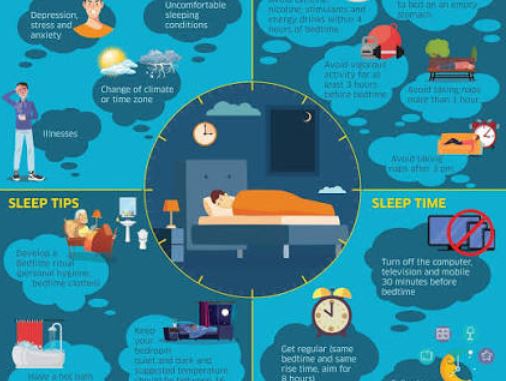
Sleep is another healthy habit that can fit into almost any schedule when you make it a priority. Adults generally benefit from getting enough quality sleep, and maintaining a regular sleep routine can support daily energy and overall well-being.
If your schedule changes frequently, focus on creating a relaxing routine around bedtime. You might dim the lights, read a book, listen to calming music, or spend a few quiet minutes preparing for the next day.
Keeping your sleeping environment comfortable and reducing unnecessary distractions may also help create better conditions for rest. When possible, try to give yourself enough time to sleep rather than treating rest as something that can always be postponed.
A consistent bedtime may not be realistic for everyone, especially people who work changing shifts or have family responsibilities. In those situations, focus on making the most of the sleep opportunities you do have.
Find Healthy Ways to Manage Stress
Busy schedules can create stress, but small moments of relaxation can be incorporated into nearly any day. You do not need an hour of meditation to pause and reset.
Taking a few slow breaths, stepping outside for fresh air, listening to music, writing down your thoughts, or talking with someone you trust can provide a brief mental break. Even a few quiet minutes between tasks may help you feel more prepared to continue your day.
It can also be useful to recognize which responsibilities are truly urgent and which can wait. Creating realistic expectations for yourself can make a busy schedule feel more manageable.
If stress becomes overwhelming or persistent, consider talking with a trusted adult, healthcare professional, or qualified mental health provider. Seeking support is a practical part of taking care of yourself.
Use Your Schedule to Support Your Goals
One of the easiest ways to make healthy habits fit your lifestyle is to connect them with activities you already do. This is sometimes called habit stacking.
For example, you might drink a glass of water after waking up, take a short walk after lunch, or prepare tomorrow’s breakfast while cleaning up dinner. Linking a new habit to an existing routine can make it easier to remember.
Calendar reminders can also help. You might schedule time for movement, meal preparation, relaxation, or personal activities just as you would schedule an appointment. This does not mean every minute of your day needs to be planned. Instead, it gives important habits a place in your routine.
The best schedule is one that is flexible enough to handle unexpected changes. If you miss a planned activity, simply return to your routine when you can.
Make Wellness Fit Your Real Life
Healthy habits should support your life rather than make it more stressful. If your schedule is unpredictable, create flexible options. If you have limited time, focus on short activities. If you have more free time, you can explore longer workouts, cooking projects, or outdoor activities.
It can also help to prepare for busy days in advance. Keeping healthy snacks available, filling a reusable water bottle before leaving home, or choosing comfortable walking shoes can make healthier choices more convenient.
Your environment can influence your decisions, so small changes around your home or workplace may make healthy habits easier to maintain. When nutritious choices and opportunities for movement are convenient, you are more likely to use them.
Focus on Progress, Not Perfection
One of the biggest challenges in building healthy habits is expecting yourself to follow a routine perfectly. Real life is unpredictable. Work deadlines, travel, family events, illness, and other responsibilities can change your plans.
Missing one workout or eating a less balanced meal does not erase your progress. What matters is returning to your healthy routines when you are ready.
Think of wellness as a long-term journey rather than a short-term challenge. Some days will be more active than others. Some meals will be carefully prepared, while others will be quick and convenient. A healthy lifestyle can include flexibility.
The most important question is not whether you can follow a perfect routine every day. It is whether your habits generally support your well-being over time.
Create a Routine That Works for You
There is no single schedule that guarantees a healthy lifestyle. Your routine should reflect your responsibilities, preferences, energy levels, and available time.
For someone with a busy morning, a short evening walk may be the best option. For someone who works from home, regular movement breaks may be easier to include. A parent may combine family activities with exercise, while a student might prepare simple meals and use short study breaks to move around.
The goal is to create healthy habits that feel realistic. When a habit fits your life, you are more likely to maintain it.
Healthy living does not require a perfect schedule or dramatic changes. Simple choices such as staying active, eating balanced meals, getting enough rest, managing stress, and making time for yourself can become part of almost any routine.
Start with one habit that feels achievable today. Then give yourself time to make it consistent before adding something new. By building wellness into the life you already have, you can create a healthier routine that is practical, flexible, and sustainable for the long term.