Starting a journey toward better personal health and overall vitality often feels like navigating a dense maze of conflicting advice. Every week seems to bring a new popular trend promising instant energy, rapid physical changes, or magical transformations. However, true physical well-being rarely comes from short-lived, intense routines. Instead, it grows out of consistent, gentle, and sustainable daily habits. When you focus on nourishing your body with wholesome, real food, you build a steady foundation that supports every aspect of your life, from morning focus to restful evening sleep.
Shift your focus away from rigid restrictions and embrace a welcoming, inclusive approach to food. Healthy living is not about perfection or depriving yourself of life’s daily pleasures. Rather, it is about giving your body the nutrient-dense resources it needs to thrive, while still allowing plenty of room for enjoyment, culture, and social connection.
Understanding the Building Blocks of Wholesome Meals
Creating balanced meals does not require a degree in biochemistry or hours spent calculating numbers on a notepad. Nature provides a rich palette of foods that naturally work together to satisfy hunger and fuel daily activities. By learning how to combine these natural elements on your plate, you can effortlessly assemble meals that feel deeply satisfying and keep your energy stable throughout the day.
At the heart of every nourishing meal are whole, unrefined plant foods. Fresh vegetables and ripe fruits are packed with vitamins, minerals, fiber, and protective antioxidants. Try to include a vibrant variety of colors on your plate over the course of a week. Deep green spinach, bright orange sweet potatoes, rich purple berries, and golden squash each offer distinct nutritional benefits. Fiber plays a vital role in keeping your digestive system running smoothly, while also slowing down the absorption of natural sugars to help prevent energy slumps.
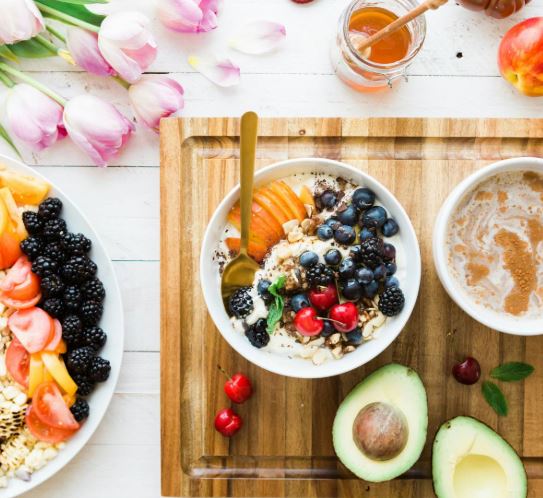
Alongside vegetables and fruits, complex carbohydrates serve as your body’s primary, long-lasting fuel source. Whole grains like quinoa, brown rice, rolled oats, and barley retain their natural fiber and nutrients, unlike their highly refined counterparts. These slow-burning carbs provide a steady stream of energy, keeping your mind sharp and your physical body active through long workdays or busy afternoons.
Protein is another essential component that supports tissue repair, immune function, and long-lasting fullness. You can find high-quality protein in a wide array of sources, including tender poultry, fresh seafood, eggs, legumes like lentils and black beans, and plant foods like tofu and tempeh. Rotating through different protein sources keeps your meal plan interesting and ensures you receive a wide range of essential amino acids.
Finally, healthy fats are crucial for brain health, hormone balance, and the absorption of key vitamins. Do not shy away from incorporating rich sources of unsaturated fats like extra virgin olive oil, creamy avocados, raw nuts, and seeds into your daily cooking. A drizzle of olive oil over roasted vegetables or a small handful of almonds as an afternoon snack adds delicious flavor while nourishing your cells.
Rethinking Your Relationship With Food
One of the most liberating steps in any personal wellness journey is letting go of the idea that foods are strictly good or bad. Categorizing meals with rigid labels often creates unnecessary stress and guilt, turning what should be a pleasant, nourishing experience into a source of anxiety. Food is fundamentally energy and nutrition, but it is also a celebration of culture, family, and social connection.
Practicing mindful eating is a wonderful tool for restoring a peaceful relationship with your meals. In our fast-paced world, it is common to eat lunch while rushing between tasks or scroll through a smartphone during dinner. This distracted eating makes it hard to notice when you are truly full or to fully enjoy the flavors and textures of your meal.
To practice mindfulness, try slowing down during mealtime. Take a moment to appreciate the aroma, colors, and presentation of your food. Chew slowly and pause between bites. Paying attention to your physical hunger and fullness signals allows you to naturally eat the amount your body needs, without feeling stuffed or sluggish afterward.
Remember that flexibility is essential for long-term consistency. Enjoying a slice of cake at a birthday party or savoring a favorite dessert on a weekend night fits perfectly into a healthy lifestyle. When your overall pattern consists of nutrient-dense whole foods, small indulgences remain just that, pleasant moments to enjoy without hesitation or regret.
Practical Kitchen Habits for Real Life
Translating healthy concepts into everyday reality comes down to simple, practical routines in your kitchen. You do not need to spend entire weekends preparing elaborate meal containers to maintain a healthy pattern. A few thoughtful habits can streamline your grocery shopping and cooking processes immensely.
Shopping with a plan is one of the easiest ways to set yourself up for a successful week. Before heading to the market, take a quick inventory of your pantry and refrigerator. Plan four or five simple meals for the coming days, making a clear list of the fresh produce, proteins, and pantry staples you will need. Sticking to a list saves time, reduces food waste, and prevents impulsive purchases of heavily processed snacks.
When unpacking your groceries, spend fifteen minutes doing a little light preparation. Wash and chop sturdy vegetables like carrots, bell peppers, and broccoli so they are ready for quick stir-fries or snacks. Cook a batch of brown rice or quinoa to store in the fridge for easy meal assembly during busy evenings. Having ready-to-use ingredients on hand dramatically lowers the friction of cooking at home when you are tired after a long day.
Simplicity is your best friend in the kitchen. Sheet-pan meals, one-pot stews, and fresh grain bowls require minimal active cooking time and cleanup. For a fast sheet-pan dinner, arrange seasoned chicken or tofu alongside cut sweet potatoes and broccoli on a baking tray, then roast until tender. Meals like these are nutritious, delicious, and leave you with minimal dishes to wash.
Connecting Nutrition With Overall Lifestyle
While the food on your plate is a central focus, nutrition works hand in hand with other foundational health habits. Proper hydration, restorative sleep, and regular physical movement create a powerful synergy that amplifies the benefits of a balanced diet.
Pure water is essential for nearly every function in the human body, from digestion and nutrient transport to temperature regulation and joint lubrication. Mild dehydration often presents as unexpected fatigue or artificial hunger cues. Carrying a reusable water bottle throughout the day makes it effortless to sip regularly and stay hydrated.
Prioritizing restful sleep is equally crucial. When you are chronically short on sleep, your body produces higher levels of stress hormones and appetite-stimulating signals, making cravings for quick-energy, high-sugar foods much harder to manage. Aim for seven to eight hours of quality rest each night to allow your body and mind to repair and reset.
Incorporate movement that brings you joy, whether that means brisk morning walks, gardening, dancing, or lifting weights. Physical activity helps your body utilize nutrients efficiently, boosts mood-enhancing brain chemicals, and improves metabolic vitality.
Building a healthy lifestyle is a continuous, evolving process rather than a static destination. Focus on making small, positive choices each day, celebrating every step you take toward a more energetic, vibrant life. By honoring your body with wholesome food, gentle movement, and mindful rest, you create a sustainable rhythm of health and wellness that will serve you well for years to come.