Healthy aging is about more than simply adding years to life. It is also about maintaining strength, independence, energy, and confidence as the years go by. Regular exercise is one of the most practical habits that can support these goals. Whether it is a daily walk around the neighborhood, a strength workout at home, a swim at the local community center, or a gentle stretching routine, staying physically active can make a meaningful difference at almost every stage of adulthood.
For people across the United States, regular exercise can be an important part of a balanced approach to long-term wellness. Physical activity does not have to mean intense training or spending hours at a gym. Consistency, enjoyment, and choosing activities that match your abilities are often more important than pushing yourself to extremes.
Exercise Helps Maintain Strength
Muscle strength naturally changes with age, especially when people become less active. Regular movement and resistance exercises can help adults maintain the muscles they use for everyday activities. Stronger muscles can make tasks such as carrying groceries, climbing stairs, getting up from a chair, and participating in hobbies feel more manageable.
Strength-focused activities can include bodyweight movements, resistance bands, light weights, or exercises using everyday objects when appropriate. The goal is not necessarily to build large muscles. Instead, the focus is on supporting functional strength that helps people remain active and independent.
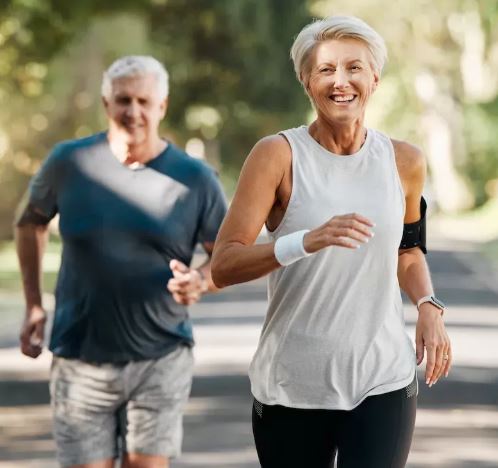
Maintaining strength can also make it easier to continue doing activities that bring enjoyment, from gardening and walking to traveling and spending time with family and friends.
Regular Activity Supports Balance and Mobility
Balance and mobility become increasingly important as people get older. Being able to move comfortably and confidently can support independence and help adults continue participating in daily life.
Activities that improve balance, flexibility, and coordination can be useful additions to a regular fitness routine. Gentle yoga, tai chi, stretching, and simple balance exercises may help people become more aware of their movement and body position.
Walking is another accessible form of physical activity for many adults. A consistent walking routine can encourage movement while offering an opportunity to spend time outdoors. In many American communities, local parks, walking paths, shopping centers, and recreation facilities can provide convenient places to stay active.
People with health concerns or mobility limitations should choose activities that are appropriate for their individual needs and discuss new exercise routines with a qualified healthcare professional when necessary.
Exercise Supports Heart and Circulatory Health
Aerobic activity is another important part of healthy aging. Activities such as brisk walking, cycling, swimming, dancing, and water aerobics can help support cardiovascular fitness.
Regular physical activity encourages the heart and circulatory system to work efficiently. Over time, staying active can be part of a healthy lifestyle that supports overall cardiovascular wellness.
The key is to find activities that can be maintained over time. Someone who enjoys dancing may be more likely to stay active through dance classes or music at home, while another person may prefer walking with a friend. Enjoyment can make exercise feel less like a chore and more like a normal part of everyday life.
Physical Activity Can Support Brain Health
Healthy aging includes taking care of the brain as well as the body. Regular physical activity is associated with several aspects of cognitive and emotional well-being.
Exercise increases opportunities for movement, social interaction, and engagement with the environment. A walk with friends, a group fitness class, or a recreational activity can combine physical movement with social connection and mental stimulation.
For older adults, these experiences can add variety to daily routines and encourage a sense of purpose. Staying active may also help people maintain confidence in their ability to participate in activities they enjoy.
Exercise is not a guarantee against age-related health changes, but it can be one valuable part of a broader lifestyle that includes nutritious food, adequate sleep, social connection, and regular healthcare.
Staying Active Can Support Independence
One of the greatest benefits of regular exercise as people age is the opportunity to preserve independence. Everyday independence often depends on physical abilities that can be strengthened and maintained through regular movement.
Being able to walk comfortably, rise from a chair, carry household items, and navigate daily environments can make a significant difference in quality of life. Regular activity can help adults continue managing everyday responsibilities and enjoying the activities that matter most to them.
This is particularly important because physical activity is not only about structured workouts. Healthy aging can be supported by finding more opportunities to move throughout the day. Taking the stairs when comfortable, walking during breaks, doing household chores, gardening, or playing with grandchildren can all contribute to an active lifestyle.
Exercise Can Encourage Better Daily Habits
Starting a regular exercise routine can sometimes inspire other positive lifestyle choices. Someone who begins taking morning walks may become more aware of sleep habits, hydration, nutrition, and stress management.
Physical activity can also create structure in the day. A consistent routine may give people a reason to get outside, meet friends, or participate in community activities.
For older adults who spend much of the day at home, regular movement can provide a healthy change of pace. Even short periods of activity throughout the day can help break up long stretches of sitting.
Rather than focusing on perfection, it is often more helpful to create realistic habits that fit naturally into everyday life.
Social Connection Is Another Benefit
Exercise can be an opportunity to connect with other people. Social interaction becomes an important part of well-being at every age, and group activities can make staying active more enjoyable.
Walking groups, community recreation programs, fitness classes, swimming sessions, and recreational sports can provide opportunities to meet people with similar interests. Exercising with a friend or family member can also make a routine feel more enjoyable and easier to maintain.
For older adults, social activity and physical activity can work together to support a more engaged lifestyle. A simple walk with a neighbor can provide both movement and meaningful conversation.
It Is Never Too Late to Become More Active
Some people assume that exercise only provides major benefits when started early in life. In reality, adults can make positive changes at many different ages.
Someone who has been inactive for years may begin with short, comfortable walks and gradually increase activity as appropriate. Another person may discover a new interest in swimming, cycling, strength training, or recreational classes later in life.
The best exercise routine is one that is safe, realistic, and sustainable. It should reflect a person’s current fitness level, preferences, and physical abilities. Starting gradually can make it easier to build confidence and establish consistency.
Adults who have chronic health conditions, recent injuries, or concerns about beginning a new exercise program should consider speaking with a healthcare professional for personalized guidance.
Making Exercise Part of Healthy Aging
A long-term approach to exercise does not require an extreme fitness plan. Instead, it can involve creating a balanced routine that includes different forms of movement. Aerobic activities can support cardiovascular fitness, strength exercises can help maintain muscle function, and flexibility and balance activities can support comfortable movement.
The most important step is finding ways to stay active consistently. A person might walk several days each week, participate in a community class, practice gentle stretching in the morning, or perform strength exercises at home.
It is also helpful to recognize that progress can take many forms. Being able to walk a little farther, move more comfortably, or participate in a favorite activity with greater confidence can all be meaningful achievements.
Healthy aging is a long-term process, and regular exercise can play an important role in that journey. By staying active, adults can support strength, mobility, cardiovascular wellness, brain health, independence, and social connection. The benefits extend beyond the workout itself, influencing how people move through their daily lives and enjoy their time with others.