Healthy living is no longer about following strict routines or trying to achieve perfection. Across the United States, more people are embracing practical wellness habits that fit naturally into everyday life. Instead of chasing quick fixes, many Americans are focusing on sustainable choices that support energy, better sleep, balanced nutrition, physical activity, and overall well-being.
As wellness trends continue to evolve, some ideas are more valuable than others. The best trends are not necessarily the newest or most fashionable. They are the habits that encourage people to make realistic improvements that can continue for months and years. From mindful eating to walking more often, several healthy lifestyle trends are worth considering for anyone who wants to build a more balanced daily routine.
Prioritizing Whole Foods and Balanced Nutrition
One of the most positive lifestyle trends is the growing interest in simple, balanced nutrition. Rather than focusing on extreme diets, many people are learning how different foods can contribute to overall health and daily energy.
Whole foods such as vegetables, fruits, whole grains, beans, nuts, seeds, eggs, fish, and other sources of protein can form the foundation of a balanced eating pattern. These foods provide a variety of nutrients that the body needs to function properly.
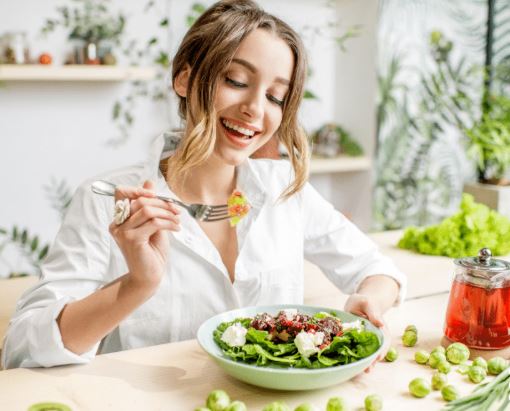
The goal does not have to be perfection at every meal. A balanced approach allows room for personal preferences and occasional treats while encouraging nutritious choices most of the time. This flexible mindset can make healthy eating easier to maintain and more enjoyable.
For busy Americans, simple changes can make a meaningful difference. Adding vegetables to a favorite meal, choosing whole grains more often, preparing meals at home, or keeping nutritious snacks available can all support better eating habits without requiring a complicated plan.
Walking as an Everyday Wellness Habit
Walking continues to be one of the most accessible forms of physical activity. It does not require an expensive gym membership or complicated equipment, and it can often be included in a busy schedule.
Many people are finding creative ways to walk more throughout the day. A short walk during a lunch break, an evening stroll around the neighborhood, or walking while talking with a friend can help people become more active without making exercise feel like a major task.
Regular physical activity is associated with many aspects of well-being, including cardiovascular fitness, mobility, and mood. For people who spend long periods sitting at a desk, adding brief movement breaks can also help create a healthier rhythm during the workday.
The most important idea is consistency. A realistic walking routine that someone enjoys is often easier to maintain than an intense exercise plan that feels overwhelming.
Strength Training for Everyday Function
Strength training is another wellness trend gaining attention among people of different ages. While some may associate strength workouts with athletic performance, resistance exercises can also support everyday movement and physical function.
Simple exercises using body weight, resistance bands, or light weights can be adapted to different fitness levels. Building strength can help people feel more capable when performing everyday activities such as carrying groceries, climbing stairs, or completing household tasks.
A balanced fitness routine may include a combination of strength exercises, aerobic activity, flexibility work, and regular movement. Beginners should start at a comfortable level and gradually increase activity as their fitness improves. Anyone with health concerns or specific medical conditions should consider speaking with a qualified healthcare professional before beginning a new exercise program.
Making Sleep a Wellness Priority
Sleep is receiving more attention as people recognize how closely it connects with daily health and quality of life. Instead of treating sleep as something that can always be sacrificed for work or entertainment, many people are making rest a more deliberate part of their routines.
A consistent sleep schedule can help create structure. Relaxing activities before bedtime, reducing unnecessary distractions, and creating a comfortable sleeping environment may also support better rest.
Technology can play a role in this trend as well. While smartphones and wearable devices can provide useful information about daily habits, they are most helpful when used as tools rather than sources of stress. The goal should be to understand personal patterns and make reasonable improvements, not to become overly focused on numbers.
Quality sleep is an important part of a healthy lifestyle, and giving it the same attention as nutrition and physical activity can help create a more balanced approach to wellness.
Practicing Mindful Eating
Mindful eating is another trend that encourages people to pay closer attention to their meals. Instead of eating quickly while distracted, mindful eating encourages individuals to notice hunger, fullness, flavors, textures, and personal preferences.
This approach does not require following a special diet. It is more about developing awareness around food choices and eating experiences.
For example, someone might slow down during a meal, put away unnecessary distractions, or take time to appreciate the food they are eating. These small habits can make meals feel more intentional and may help people become more aware of their body’s natural signals.
Mindful eating can also encourage a healthier relationship with food by moving attention away from rigid rules and toward balance, enjoyment, and nourishment.
Spending More Time Outdoors
Outdoor wellness is becoming increasingly popular as people look for simple ways to combine movement and relaxation. Parks, walking trails, beaches, gardens, and neighborhood streets can provide opportunities to spend time outside without requiring expensive activities.
Outdoor time can be especially appealing for people who spend much of their day indoors. A short walk through a local park or an afternoon gardening can offer a refreshing change of environment.
For families, outdoor activities can also create opportunities to spend quality time together. Activities such as walking, cycling, playing casual games, or exploring local parks can encourage movement while making wellness more social and enjoyable.
Choosing Preventive Wellness
Another important trend is the growing interest in preventive health. Instead of waiting until a problem becomes serious, people are increasingly paying attention to routine healthcare, regular checkups, recommended screenings, and discussions with qualified healthcare professionals.
Preventive wellness also includes understanding personal health needs and learning about factors such as nutrition, physical activity, sleep, and stress management. These habits can complement professional medical care and help people take a more active role in their overall well-being.
It is important to remember that wellness advice is not a replacement for individualized medical guidance. Personal health needs can vary significantly, so professional advice is appropriate when someone has specific concerns or symptoms.
Building Healthier Digital Habits
Technology is an important part of modern American life, and digital wellness is becoming a growing area of interest. People are beginning to think more carefully about how they use smartphones, social media, streaming services, and other digital platforms.
Healthy digital habits might include taking regular breaks from screens, creating device-free periods during meals, or setting aside time for hobbies that do not involve technology.
The purpose is not necessarily to eliminate technology. Digital tools can provide education, entertainment, communication, and useful resources. Instead, the goal is to create a healthier balance so technology supports daily life rather than constantly interrupting it.
Managing Everyday Stress in Practical Ways
Stress management is another lifestyle trend worth following because it focuses on realistic strategies rather than promising instant solutions. People are exploring simple activities such as walking, breathing exercises, journaling, listening to music, spending time with supportive friends, and practicing hobbies.
Different techniques work for different individuals. What matters most is finding healthy ways to manage everyday pressure and recognizing when additional support may be helpful.
Creating small moments of calm throughout the day can be more practical than waiting for a long vacation or a completely free weekend. Even a few minutes of quiet time can provide an opportunity to pause and reset.
Making Wellness More Sustainable
Perhaps the most valuable lifestyle trend is the movement toward sustainability. More people are recognizing that healthy habits need to work within real lives, including busy schedules, family responsibilities, work demands, and changing circumstances.
A sustainable approach focuses on gradual progress. Instead of changing everything at once, someone might begin by improving one meal each day, adding a short walk, establishing a consistent bedtime, or spending more time outdoors.
Small habits can become powerful when repeated consistently. The objective is not to create a perfect lifestyle but to develop routines that feel realistic and supportive.
Final Thoughts
The healthiest lifestyle trends are often the ones that encourage balance, consistency, and personal flexibility. Whole-food nutrition, regular walking, strength training, quality sleep, mindful eating, outdoor activities, preventive care, healthier technology habits, and practical stress management can all contribute to a more well-rounded approach to wellness.
For people across the United States, the best routine is one that fits their individual needs, preferences, schedules, and circumstances. There is no single formula that works for everyone. By choosing manageable habits and building them gradually, it becomes easier to create a lifestyle that supports long-term well-being.