Preventive medicine plays an important role in helping people maintain their health and enjoy a better quality of life. Instead of waiting until a health problem becomes serious, preventive care focuses on identifying potential concerns early and encouraging healthy habits that may reduce future risks. In the United States, preventive medicine has become an important part of modern healthcare because it supports people at different stages of life, from childhood through older adulthood.
The basic idea behind preventive medicine is simple: taking care of your health before a major problem develops can often be more helpful than waiting until symptoms appear. Regular checkups, recommended screenings, vaccinations, healthy lifestyle choices, and conversations with healthcare professionals can all contribute to a proactive approach to wellness.
Early Detection Can Make a Difference
One of the most valuable benefits of preventive medicine is the opportunity to identify certain health concerns at an earlier stage. Some conditions may develop gradually without causing noticeable symptoms at first. Routine healthcare visits and age-appropriate screenings can help healthcare professionals recognize potential concerns before they become more complicated.
For example, depending on a person’s age, health history, and individual risk factors, a healthcare professional may recommend screenings for blood pressure, cholesterol, certain cancers, or other health concerns. Early detection does not guarantee a particular outcome, but it can give individuals and their healthcare teams more time to discuss appropriate next steps.
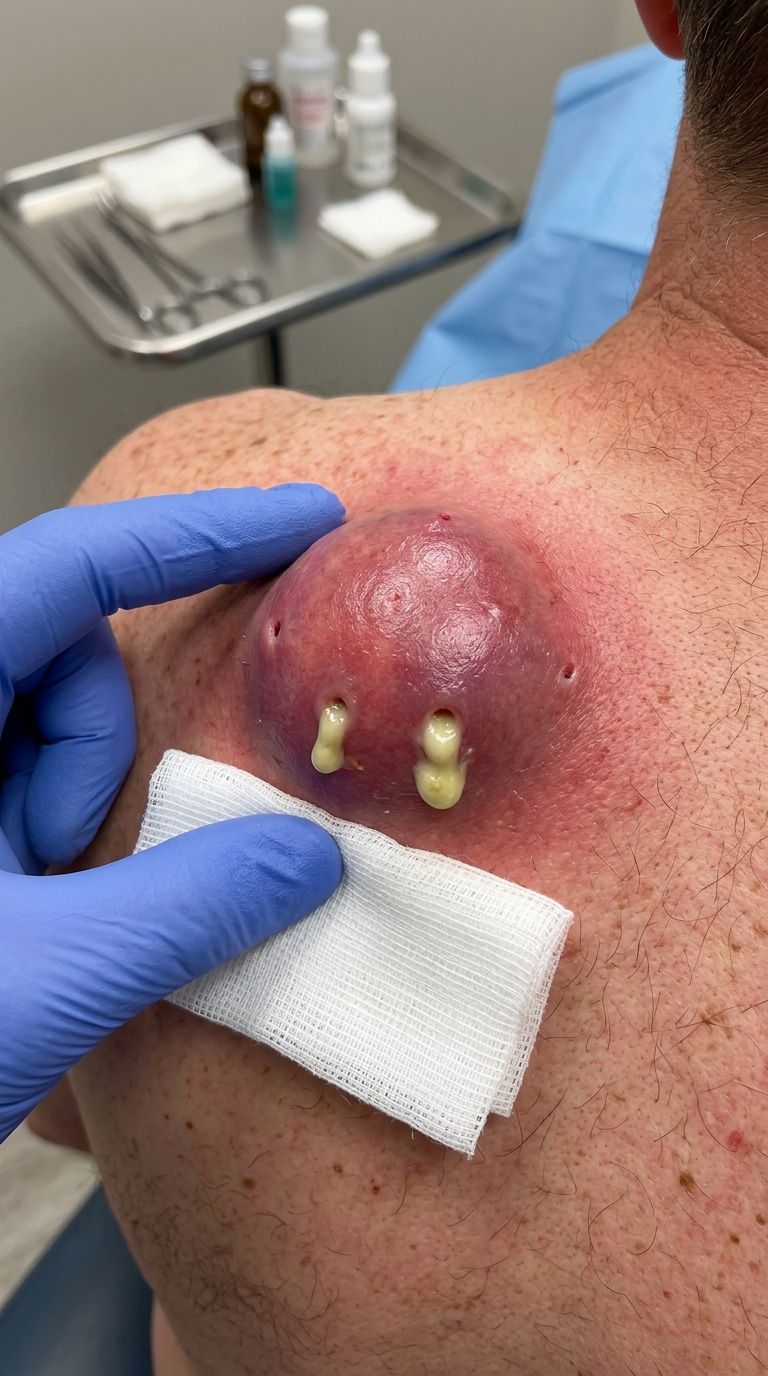
Regular appointments can also provide an opportunity to review changes in health, medications, family history, and lifestyle. This ongoing communication can help people make informed decisions about their healthcare.
Preventive Care Encourages Healthier Habits
Preventive medicine is not limited to medical tests and appointments. It also encourages everyday habits that support overall well-being. Eating a balanced diet, staying physically active, getting enough sleep, managing stress, and avoiding tobacco are examples of lifestyle choices that can contribute to better health.
Healthcare professionals can help individuals understand which habits may be appropriate for their circumstances. A person who works at a desk, for example, may benefit from finding simple ways to move more throughout the day. Someone who struggles with sleep may want to discuss healthy sleep routines with a healthcare professional.
The goal is not perfection. Healthy living is often built through small, realistic choices that can be maintained over time. Preventive medicine provides a framework for understanding how these choices may fit into a broader approach to personal wellness.
Vaccinations Help Protect Communities
Vaccination is another important part of preventive healthcare. Recommended vaccines can help protect individuals from certain infectious diseases and can also contribute to community health. Vaccination recommendations vary depending on age, health circumstances, occupation, travel plans, and other factors.
Healthcare professionals can provide guidance about which vaccines may be appropriate for an individual. Keeping vaccinations up to date is one practical way people can participate in preventive healthcare while helping reduce the spread of certain illnesses.
For families, preventive healthcare conversations can also help parents and caregivers understand recommended care for children and adolescents. Regular pediatric appointments provide opportunities to discuss growth, development, nutrition, sleep, and other aspects of a child’s well-being.
Preventive Medicine Supports Long-Term Health
Another important benefit of preventive medicine is its focus on long-term health. Rather than viewing healthcare as something that only happens when a person feels unwell, preventive care encourages people to think about their health throughout the year.
This approach can be especially valuable as people move through different stages of life. Health priorities may change during young adulthood, middle age, and older adulthood. Preventive appointments give individuals an opportunity to discuss these changes and receive personalized guidance based on their circumstances.
For older adults, preventive care may include discussions about fall prevention, bone health, vision, hearing, medications, and other age-related concerns. For younger adults, conversations may focus more on nutrition, physical activity, mental well-being, reproductive health, or managing everyday health risks.
Every person’s healthcare needs are different, which is why individualized guidance from a qualified healthcare professional remains important.
Better Awareness Can Lead to Better Decisions
Preventive medicine also helps people become more informed about their own health. A routine healthcare appointment can be a valuable opportunity to ask questions and better understand personal risk factors.
Family health history, lifestyle patterns, and existing health conditions can all influence an individual’s healthcare needs. Understanding these factors may help people have more productive conversations with their healthcare teams.
Health awareness can also encourage people to pay attention to changes in their bodies and seek appropriate medical advice when something does not seem right. While not every health concern can be prevented, being informed and proactive can help people respond more thoughtfully when concerns arise.
Preventive Care May Help Reduce Healthcare Costs
Preventive medicine may also have financial benefits over time. When certain health concerns are identified early, there may be more opportunities to address them before they become more complex. In some situations, managing health risks early can reduce the need for more intensive care later.
However, preventive care does not eliminate all healthcare expenses, and not every condition can be prevented. Costs can also vary depending on insurance coverage, location, provider, and the type of service. People should check their health plan and speak with their healthcare provider to understand which preventive services may be available to them.
In the United States, many health insurance plans cover certain recommended preventive services at no additional cost when provided by an in-network healthcare professional, although coverage rules can vary. Checking with an insurance provider before an appointment can help individuals understand their benefits.
Preventive Medicine Supports a Stronger Relationship With Healthcare Providers
Regular healthcare visits can help build an ongoing relationship between patients and healthcare professionals. When a provider becomes familiar with a person’s health history and concerns, conversations about changes over time may become easier and more meaningful.
This relationship can encourage open communication. Patients can ask questions about symptoms, lifestyle choices, screenings, medications, or other health topics. Healthcare professionals can then provide recommendations based on the individual’s needs and circumstances.
A strong relationship with a healthcare provider does not mean every appointment will lead to a test or treatment. Sometimes, the most valuable part of a preventive visit is simply having a conversation about health goals and learning what steps may be appropriate.
Making Preventive Medicine Part of Everyday Life
Adding preventive care to a busy lifestyle does not have to feel overwhelming. A good starting point is to schedule regular healthcare appointments and keep track of recommended screenings and vaccinations. People can also make a habit of discussing changes in their health with a qualified healthcare professional.
Healthy daily routines can complement professional preventive care. Preparing nutritious meals, staying active in enjoyable ways, maintaining a consistent sleep schedule, and making time for relaxation can all support a balanced lifestyle.
It is also helpful to remember that health goals should be realistic. Small improvements made consistently may be easier to maintain than dramatic changes that are difficult to sustain.
A Proactive Approach to a Healthier Future
Preventive medicine offers a practical way to take a more active role in personal health. Through regular checkups, appropriate screenings, vaccinations, healthy habits, and ongoing conversations with healthcare professionals, people can become more aware of their health and make informed choices.
Preventive care cannot guarantee that illness will never occur, but it can provide valuable opportunities for early awareness and thoughtful decision-making. For many people in the United States, making preventive medicine part of a regular healthcare routine can be an important step toward supporting long-term well-being.
Ultimately, prevention is about being proactive rather than waiting for a problem to become urgent. By paying attention to health today and working with qualified healthcare professionals, individuals can build a stronger foundation for the years ahead.