Gut health has become one of the most talked-about topics in modern wellness, and for good reason. The digestive system does much more than process food. It plays a major role in nutrient absorption, immune support, energy levels, and overall well-being. For modern families in the United States, learning about gut health can be a practical way to support healthier routines at home. Wellness education helps parents and caregivers understand how everyday habits, food choices, stress, and sleep can affect digestion and long-term health.
As family schedules grow busier and wellness information becomes more widely available online, it is increasingly important to separate helpful guidance from confusing trends. A strong foundation in gut health education allows families to make informed choices without feeling overwhelmed. Rather than chasing quick fixes, families can focus on simple habits that support balance, comfort, and long-term wellness.
What Gut Health Really Means
Gut health refers to the condition and function of the digestive system, especially the balance of bacteria and other microorganisms that live in the intestines. This community of microbes is often called the gut microbiome. These microbes help break down food, produce certain vitamins, support the immune system, and communicate with other parts of the body.
A healthy gut is not about perfection. It is about balance. When the digestive system is supported by nourishing foods, hydration, movement, sleep, and stress management, it tends to work more efficiently. When routines become unbalanced, some people may notice changes such as occasional bloating, digestive discomfort, irregularity, or low energy. While every person is different, the way we care for the gut can influence many aspects of daily wellness.
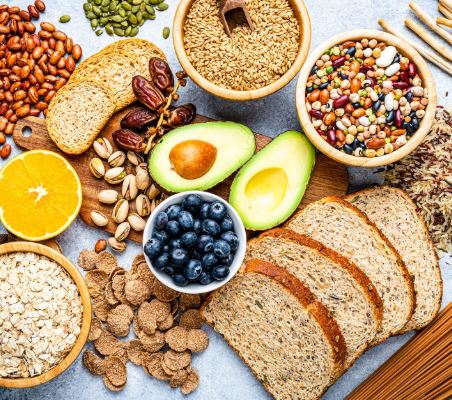
For families, understanding this connection can be empowering. It shifts the conversation away from restrictive rules and toward sustainable habits that benefit both adults and children.
Why Wellness Education Matters in Family Life
Wellness education matters because it gives families the tools to make sense of health information in a realistic and useful way. Parents today are exposed to a constant stream of advice through social media, blogs, podcasts, and advertisements. Some of that information is helpful, but some of it is oversimplified or designed to sell products rather than support long-term health.
When families learn the basics of gut health, they become better equipped to ask smart questions. They can look at a trendy product or diet plan and decide whether it truly fits their needs. They can also recognize that many wellness improvements come from consistent everyday choices rather than expensive solutions.
Education also helps families build confidence. A parent who understands the role of fiber, hydration, and meal timing may feel more prepared to create balanced meals. A caregiver who knows that stress can affect digestion may be more motivated to build calm routines into the day. These small insights can lead to healthier patterns that feel achievable instead of intimidating.
The Gut and the Immune System
One reason gut health education matters so much is the close relationship between the digestive system and the immune system. A large portion of the immune system is connected to the gut, which means digestive wellness can influence how the body responds to daily challenges. While gut health is not a magic solution, a well-supported digestive system can be part of an overall healthy lifestyle.
For modern families, this connection highlights the value of consistent habits. Balanced meals, enough sleep, regular physical activity, and stress management all work together to support wellness. Teaching family members how these pieces connect can encourage healthier choices without creating fear around food or health.
For example, a family that learns about the importance of fiber may begin adding more fruits, vegetables, beans, oats, and whole grains to meals. A family that understands the role of fermented foods may decide to try yogurt with live cultures, kefir, or other options that fit their preferences. These are practical steps that can support gut health in a realistic way.
Teaching Children Healthy Habits Early
One of the greatest benefits of wellness education is that it can start early. Children do not need complex explanations about the microbiome to benefit from gut-friendly habits. They can learn simple ideas such as drinking water, eating colorful foods, chewing slowly, and listening to their bodies.
When families talk about wellness in a positive and age-appropriate way, children can develop a healthier relationship with food and self-care. Instead of labeling foods as “good” or “bad,” parents can explain that some foods help the body feel energized, strong, and comfortable. This approach supports balanced eating without adding unnecessary pressure.
Family routines also matter. Shared meals, regular snack times, and time for movement can all support digestive health. Children often learn best by example, so when adults practice these habits consistently, kids are more likely to follow along. Wellness education becomes part of family culture rather than a separate lesson.
Reducing Confusion in a Trend-Driven Wellness World
The modern wellness space moves quickly. New supplements, cleanses, elimination diets, and social media health trends appear all the time. For busy families, it can be hard to know what is truly useful. This is where education becomes especially valuable.
Understanding the basics of gut health can protect families from misinformation and unnecessary spending. For example, many families do not need a complicated wellness routine to support digestion. Often, the most effective habits are also the simplest: eating enough fiber, staying hydrated, moving regularly, getting enough sleep, and creating time for rest.
Education encourages a balanced mindset. It reminds families that wellness is not about doing everything perfectly. It is about learning what supports the body over time and building routines that fit real life. That perspective can reduce stress and make healthy living feel more manageable.
Practical Ways Families Can Support Gut Health
Wellness education becomes most powerful when it leads to practical action. Families do not need to change everything at once. Small, consistent choices can make a meaningful difference over time.
A helpful first step is building meals around whole foods whenever possible. Fruits, vegetables, legumes, whole grains, nuts, seeds, and yogurt with live cultures can all play a role in supporting gut health. Drinking enough water throughout the day is another simple but important habit, especially when increasing fiber intake.
Meal routines can also make a difference. Eating at regular times may help some family members feel more comfortable and energized. Slowing down during meals, chewing well, and limiting distractions at the table can support digestion too. These habits encourage mindfulness and help people pay attention to hunger and fullness cues.
Physical activity is another valuable part of the picture. Families do not need intense exercise programs to support wellness. Walks after dinner, weekend bike rides, stretching, dancing in the living room, or active play outside can all contribute to a healthy routine.
Stress management should not be overlooked. The gut and brain are closely connected, which means emotional stress can sometimes affect digestion. Creating calm moments in the day, protecting sleep routines, and making time for connection can support the whole family’s well-being.
Wellness Education Builds Long-Term Confidence
Perhaps the most important reason wellness education matters is that it gives families confidence for the long term. Health is not static. Needs change as children grow, schedules shift, and life becomes more demanding. A family that understands the foundations of gut health is better prepared to adapt while staying grounded in healthy habits.
This kind of education also encourages thoughtful decision-making. Instead of reacting to every new health headline, families can return to core principles that support everyday wellness. They can ask whether a habit is sustainable, whether it supports overall balance, and whether it fits the needs of the household.
Over time, these choices can shape a healthier home environment. Wellness becomes less about short-term fixes and more about creating routines that support comfort, energy, and resilience.
Final Thoughts
Understanding gut health is not about following a perfect diet or buying the newest wellness product. It is about learning how the digestive system supports the body and how everyday choices can influence that process. For modern families in the United States, wellness education matters because it turns health information into practical knowledge that can be used at home.
When families understand the connection between food, digestion, movement, stress, sleep, and immune support, they are better equipped to create routines that feel realistic and supportive. They can approach wellness with more confidence, less confusion, and a stronger focus on long-term balance. In a busy world filled with health advice from every direction, education remains one of the most valuable tools a family can have.