In recent years, wellness has become more than just a popular trend. It has evolved into a global movement that encourages people to take better care of their physical, mental, and emotional well-being. Among the many topics that have gained attention, gut health has become one of the most discussed areas of modern wellness. From healthy eating habits to mindful living, people around the world are discovering that supporting the digestive system can have a positive impact on everyday life.
Across the United States, individuals of all ages are becoming more interested in making healthier choices that promote long-term wellness. Rather than searching for quick fixes, many people are focusing on sustainable habits that fit naturally into their daily routines. Gut health has become an important part of this shift because the digestive system plays a valuable role in overall wellness.
The digestive tract is home to trillions of tiny microorganisms that work together to help break down food, absorb nutrients, and support many natural processes throughout the body. This collection of beneficial bacteria and other microbes is often called the gut microbiome. When these microorganisms remain balanced, they help the digestive system perform efficiently and contribute to overall health.
One reason wellness culture continues to expand worldwide is the growing awareness that good health begins with everyday habits. More people now understand that healthy living is not about following extreme diets or expensive programs. Instead, it involves making consistent choices that support the body’s natural functions. Eating balanced meals, staying physically active, managing stress, and getting enough sleep all contribute to maintaining a healthy digestive system.
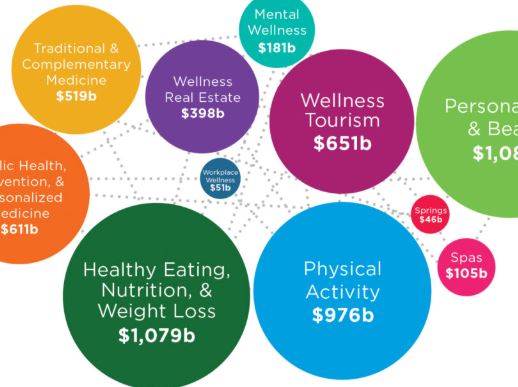
Nutrition remains one of the biggest influences on gut health. A colorful variety of fruits, vegetables, whole grains, legumes, nuts, and seeds provides dietary fiber that nourishes beneficial gut bacteria. Fiber acts as food for these helpful microorganisms, allowing them to thrive while supporting comfortable digestion. As people become more informed about nutrition, they are choosing meals that include a wider range of plant-based ingredients without completely eliminating foods they enjoy.
Fermented foods have also become increasingly popular among health-conscious consumers in the United States. Foods such as yogurt with live cultures, kefir, kimchi, sauerkraut, and miso naturally contain beneficial bacteria that may contribute to a diverse gut microbiome. While these foods are not miracle solutions, they can be enjoyable additions to a balanced diet when consumed as part of an overall healthy lifestyle.
Hydration is another important aspect of digestive wellness that continues to receive attention. Drinking enough water throughout the day helps support normal digestion and allows dietary fiber to work effectively. Many wellness experts encourage replacing sugary beverages with water or unsweetened drinks whenever possible. This simple habit benefits both digestive health and overall hydration.
The worldwide growth of wellness culture has also encouraged people to pay closer attention to their mental well-being. Researchers continue to explore the connection between the digestive system and the brain, often referred to as the gut-brain connection. While many questions remain under investigation, it is widely recognized that stress can influence digestion. As a result, activities that promote relaxation have become common parts of healthy lifestyles.
Practices such as deep breathing, meditation, gentle exercise, spending time outdoors, and maintaining social connections help many individuals feel more balanced. These activities may indirectly support digestive comfort by reducing everyday stress and encouraging healthier routines. Rather than focusing only on physical fitness, wellness culture increasingly embraces a more complete view of health that includes emotional wellness.
Busy lifestyles have also shaped the way people approach gut health. Many Americans juggle work, family responsibilities, education, and personal commitments, making convenience an important factor when choosing healthy habits. Meal planning, preparing nutritious snacks ahead of time, and cooking simple recipes at home have become practical ways to support digestive wellness without adding unnecessary stress to daily life.
Technology has played a significant role in spreading awareness about gut health. Educational articles, wellness podcasts, online cooking demonstrations, and health-focused social media content have made reliable information more accessible than ever before. While it is important to rely on trustworthy sources, the availability of educational resources has helped many people better understand the importance of nutrition and healthy living.
Another reason wellness culture continues to grow is the increased interest in preventive health. Rather than waiting until problems arise, many individuals prefer to build healthy routines that may support long-term well-being. Regular exercise, balanced eating, quality sleep, and routine healthcare visits all contribute to a proactive approach that fits naturally with modern wellness values.
The food industry has responded to this growing interest by offering more products that support healthy eating patterns. Grocery stores across the United States now feature expanded selections of whole grains, fermented foods, fresh produce, and minimally processed ingredients. Restaurants are also providing more balanced menu options that appeal to customers looking for nutritious meals without sacrificing flavor.
Families are becoming involved in wellness culture as well. Parents are introducing children to healthy eating habits by preparing colorful meals, encouraging regular physical activity, and creating positive experiences around food. These early habits often help children develop a balanced relationship with nutrition that can continue throughout adulthood.
Workplaces are also recognizing the value of employee wellness. Many companies now promote healthier lifestyles by encouraging movement during the workday, offering nutritious snack options, and supporting programs that reduce workplace stress. These efforts may contribute to improved productivity while helping employees maintain healthier routines.
Community support has become another important element of the wellness movement. Farmers markets, local fitness classes, cooking workshops, walking groups, and neighborhood wellness events create opportunities for people to learn from one another while building healthy habits together. This sense of community often makes lifestyle changes feel more enjoyable and sustainable.
Although wellness trends continue to evolve, experts generally agree that lasting health comes from balance rather than perfection. Occasional treats can still be part of a healthy lifestyle when combined with nutritious meals and consistent self-care habits. This realistic approach makes wellness more accessible for people with different lifestyles, budgets, and cultural traditions.
As scientific research continues to expand, our understanding of gut health will likely become even more detailed. New discoveries may help explain how nutrition, lifestyle, and the gut microbiome interact in supporting overall wellness. At the same time, many of today’s healthiest recommendations remain simple and practical. Eating a varied diet rich in fiber, staying hydrated, exercising regularly, managing stress, and getting enough sleep continue to form the foundation of digestive health.
The worldwide growth of wellness culture reflects a shared desire to live healthier, happier lives. Gut health has become an important part of that conversation because it highlights the connection between everyday choices and overall well-being. By making gradual, sustainable improvements instead of chasing temporary trends, individuals can build habits that support both digestive comfort and long-term health.
For people across the United States and around the world, understanding gut health is not simply about following the latest wellness trend. It is about creating a balanced lifestyle that values nutritious food, regular movement, emotional well-being, and informed decision-making. As awareness continues to grow, gut health will likely remain at the center of conversations about living well, helping more people make thoughtful choices that support lifelong wellness.