Long-term wellness is not built through dramatic changes or quick fixes. Instead, it grows from the small decisions people make every day. Across the United States, more individuals are embracing simple, sustainable habits that help them feel energized, improve their quality of life, and support healthy aging. Wellness is no longer viewed as a short-term goal but as an ongoing journey that involves caring for both the body and the mind.
Creating healthy routines does not require expensive equipment or complicated schedules. Everyday habits such as staying active, eating balanced meals, getting enough sleep, managing stress, and maintaining meaningful relationships can have a positive impact over time. The key is consistency rather than perfection. Small improvements made every day often lead to significant benefits in the years ahead.
Why Daily Habits Matter
The choices people make each day influence their overall well-being more than occasional efforts. Whether it is drinking enough water, taking a walk after dinner, or preparing a nutritious breakfast, these small actions gradually become part of a healthy lifestyle.
Healthy routines can help maintain energy levels, support physical fitness, improve focus, and encourage emotional balance. Rather than chasing temporary wellness trends, many Americans are choosing practical habits that fit naturally into their daily lives.
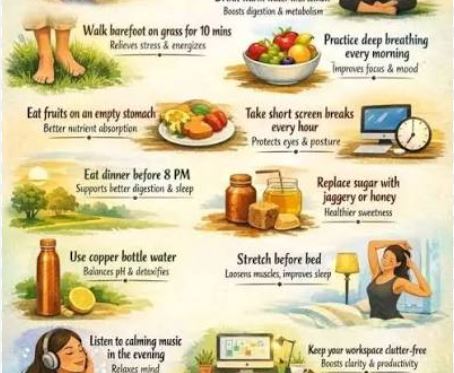
Long-term wellness is about creating routines that are realistic, enjoyable, and easy to maintain. When healthy behaviors become automatic, they require less effort and are more likely to last.
Start Each Morning with Purpose
Morning routines often set the tone for the rest of the day. Beginning the day calmly instead of rushing can help people feel more focused and organized.
Many wellness experts encourage waking up at a consistent time, drinking a glass of water, stretching gently, and spending a few moments planning the day ahead. Some people enjoy reading, journaling, or practicing quiet reflection before checking emails or social media.
A positive morning routine does not need to be lengthy. Even fifteen minutes of intentional self-care can help establish a productive mindset.
Stay Physically Active Throughout the Day
Regular movement remains one of the most important habits for long-term wellness. Physical activity supports heart health, muscle strength, flexibility, balance, and overall mobility.
Exercise does not always mean spending hours in a gym. Walking around the neighborhood, gardening, riding a bicycle, dancing, swimming, or taking the stairs instead of the elevator all contribute to an active lifestyle.
For many Americans with busy schedules, breaking movement into shorter sessions throughout the day makes staying active more manageable. A ten-minute walk after meals or stretching during work breaks can add up over time.
Finding activities that are enjoyable increases the likelihood of maintaining an active routine for years to come.
Eat Balanced Meals Every Day
Healthy eating supports nearly every aspect of wellness. A balanced eating pattern provides the nutrients needed to fuel daily activities while supporting long-term health.
Many nutrition professionals recommend including colorful vegetables, fruits, whole grains, lean proteins, healthy fats, and fiber-rich foods throughout the day. Eating a variety of foods helps ensure the body receives a wide range of essential vitamins and minerals.
Preparing meals at home more often can also encourage healthier choices. Home cooking allows individuals to control ingredients and portion sizes while experimenting with fresh seasonal produce available throughout the United States.
Healthy eating does not require strict rules. Enjoying favorite foods in moderation while focusing on overall balance creates a more sustainable approach.
Stay Hydrated
Water supports countless functions within the body, including temperature regulation, digestion, circulation, and physical performance.
Many people underestimate how important proper hydration can be. Carrying a reusable water bottle makes it easier to drink water consistently throughout the day, especially during work, travel, or outdoor activities.
Foods such as cucumbers, watermelon, oranges, berries, lettuce, and soups also contribute to daily hydration.
Listening to thirst signals while maintaining regular water intake supports everyday wellness without requiring complicated routines.
Prioritize Quality Sleep
Good sleep is one of the foundations of long-term wellness. During sleep, the body and brain perform important recovery processes that help people feel refreshed for the following day.
Creating a relaxing evening routine often improves sleep quality. Many individuals find it helpful to reduce screen time before bed, keep bedrooms cool and comfortable, and maintain consistent bedtime schedules.
Avoiding heavy meals and excessive caffeine late in the evening may also contribute to more restful sleep.
Consistent sleep habits often improve concentration, mood, productivity, and overall daily functioning.
Manage Stress in Healthy Ways
Stress is a normal part of life, but learning healthy ways to manage it supports emotional well-being over time.
Simple stress management techniques may include deep breathing, meditation, gentle stretching, spending time outdoors, listening to music, or enjoying creative hobbies.
Many Americans also benefit from setting realistic expectations, organizing daily tasks, and allowing time for regular breaks during busy workdays.
Healthy stress management is not about eliminating challenges. Instead, it involves developing practical strategies that help maintain emotional balance during life’s ups and downs.
Build Strong Social Connections
Human relationships contribute significantly to overall wellness. Spending time with supportive family members, friends, neighbors, or community groups encourages emotional health and creates a sense of belonging.
Even small moments of connection, such as sharing meals, making phone calls, or participating in local events, can strengthen relationships.
Community involvement through volunteering, recreational clubs, or educational classes also provides opportunities to meet new people while contributing positively to society.
Strong social support often encourages healthier habits and provides motivation during difficult times.
Take Care of Mental Wellness
Mental wellness deserves the same attention as physical health. Everyday habits that encourage positive thinking and emotional resilience can make a meaningful difference over time.
Practicing gratitude is one simple example. Taking a few moments each day to appreciate positive experiences may help shift attention toward the good things happening in everyday life.
Learning new skills, reading books, solving puzzles, or exploring creative hobbies can also help keep the mind engaged and active.
When people prioritize emotional well-being alongside physical wellness, they often experience greater life satisfaction.
Spend Time Outdoors
Nature offers countless opportunities to support everyday wellness. Fresh air, natural light, and green spaces encourage movement while providing a refreshing break from indoor environments.
Across the United States, parks, walking trails, beaches, forests, and community gardens provide accessible places to enjoy outdoor activities.
Whether taking a short walk during lunch, hiking on weekends, or simply relaxing in a local park, spending time outside may contribute to overall well-being.
Natural environments often encourage relaxation while promoting physical activity.
Limit Sedentary Time
Modern lifestyles frequently involve long hours sitting at desks, driving, or using digital devices.
Breaking up extended periods of sitting with short movement breaks supports circulation and reduces physical stiffness. Standing, stretching, or walking for a few minutes every hour can become an easy daily habit.
Remote workers may benefit from adjustable workstations or scheduled movement reminders throughout the day.
Small changes help create healthier daily routines without interrupting productivity.
Practice Mindful Eating
Mindful eating encourages paying attention to meals without unnecessary distractions. Eating slowly allows people to appreciate flavors, recognize fullness cues, and enjoy food more fully.
Many families find that sharing meals without televisions or smartphones creates meaningful conversations while supporting healthier eating habits.
Mindful eating also encourages individuals to make thoughtful food choices rather than eating out of boredom or stress.
Developing awareness around eating habits often supports long-term wellness goals.
Maintain Preventive Healthcare Habits
Preventive healthcare plays an important role in supporting long-term wellness.
Scheduling routine wellness visits, recommended health screenings, dental appointments, and vision examinations allows individuals to stay informed about their overall health.
Keeping vaccination records current according to healthcare provider recommendations also contributes to preventive care.
Working together with trusted healthcare professionals helps people make informed decisions based on their personal health needs.
Keep Learning
Lifelong learning supports mental engagement and personal growth.
Many adults enjoy taking online courses, learning new languages, improving cooking skills, exploring photography, or participating in local educational workshops.
Learning stimulates curiosity while helping people adapt to changing circumstances throughout life.
Personal development often contributes to confidence and overall life satisfaction.
Create Healthy Digital Habits
Technology offers many benefits, but maintaining balance is equally important.
Setting limits on recreational screen time allows more opportunities for physical activity, meaningful conversations, reading, or outdoor recreation.
Some families establish device-free meals or designate certain evening hours for offline activities.
Using technology intentionally rather than automatically helps support healthier daily routines.
Organize Your Living Space
A clean and organized home environment can reduce unnecessary stress while making healthy habits easier to maintain.
Simple routines such as preparing healthy ingredients in advance, organizing workout equipment, or keeping water bottles visible encourage positive daily choices.
Decluttering one small area at a time often feels more achievable than attempting major home projects all at once.
An organized environment supports focus and creates a comfortable place for relaxation.
Celebrate Progress Instead of Perfection
One of the most valuable wellness habits is maintaining realistic expectations.
Everyone experiences busy schedules, unexpected events, and occasional setbacks. Missing one workout or enjoying a special dessert does not erase long-term progress.
Successful wellness journeys focus on consistency rather than perfection. Returning to healthy routines after interruptions is often more important than following every habit flawlessly.
Recognizing small achievements helps maintain motivation and encourages continued progress.
Building a Sustainable Wellness Lifestyle
Long-term wellness develops through daily choices that become lasting habits over time. There is no single routine that works for everyone, and each person can create a lifestyle that fits their own needs, interests, and schedule.
Across the United States, many people are discovering that wellness is not about dramatic transformations but about making thoughtful decisions every day. Walking regularly, preparing balanced meals, staying hydrated, sleeping well, nurturing relationships, managing stress, and maintaining preventive healthcare all contribute to a healthier future.
The journey toward lifelong wellness begins with one simple habit and grows through consistency. By focusing on practical, sustainable routines, individuals can build a lifestyle that supports physical health, emotional well-being, and overall quality of life for many years to come.